The Tramp and the Dictator
2002
No user ratings available yet
Diversity score: 5.1 out of 10
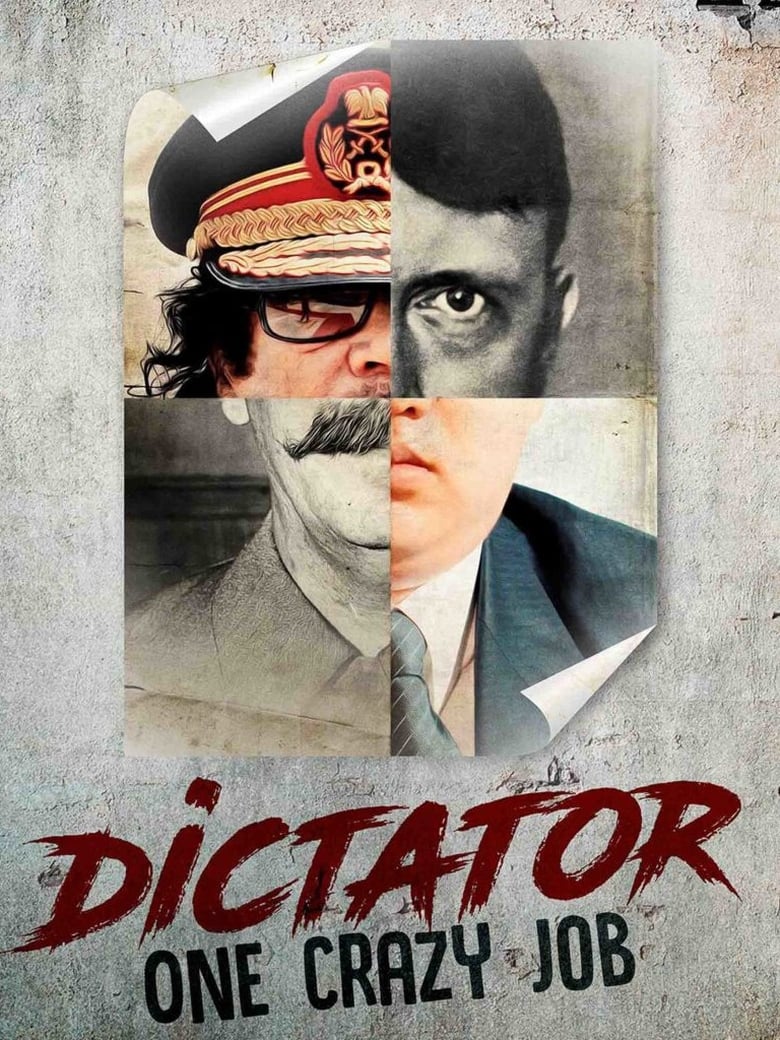
2013
TV-PGDirector
Alain Charlot
Runtime
52 minutes
Average Rating
No ratings yetSynopsis
They’ve become the human face of inhuman barbarity. Leaders like Hitler, Idi Amin Dada, Stalin, Kim Jong Il, Saddam Hussein, Nicolae Ceausescu, Bokassa, Muammar Kadhafi, Khomeini, Mussolini and Franco governed their countries completely cut off from reality. These paranoid leaders were driven to abuse their power by the pathology of power itself. Dictators are driven by a relentless, thought-out determination to impose themselves as infallible, all-knowing and all-powerful beings. But they are also men ruled by their caprices, uncontrollable impulses, and reckless fits of frenzy, which paradoxically render them as human as anyone else. The abuses they committed were clearly atrocious, yet some of them were as outlandish as the characters portrayed in the film The Dictator. They sunk to depths worthy of Kafka: so incredibly absurd, they are outrageously funny.
Overall Score
Fair
Category Breakdown
LGBTQ+ Representation
The film serves as a historical survey of autocratic regimes rather than a study of sexual orientation. It lacks significant LGBTQ+ character agency or narratives that critique heteronormativity.
Gender Representation
The narrative centers on the male-dominated sphere of 20th-century autocracy. While it strips these men of traditional masculine dignity by highlighting their erratic impulses, female agency remains largely absent.
Racial & Ethnic Diversity
The documentary achieves global breadth by examining leaders from Africa, the Middle East, Europe, and Asia. This approach disrupts Eurocentric historical perspectives by providing a globalized view of power.
Religious & Cultural Diversity
The film critiques the absurdity of absolute authority and the cult of personality. It frames totalitarianism as a systemic psychological collapse, highlighting the fragility of centralized power across various cultures.
Disability Representation
The documentary explores the mental instability and paranoia of its subjects. These psychological states are central to the characters, though they are treated more as clinical cautionary tales than constructive social narratives.
Strengths
Areas for Improvement
AI Analysis
The documentary prioritizes a systemic critique of authoritarianism over character-driven identity politics. It succeeds in providing a globalized perspective by deconstructing the pathologies of leaders from diverse geopolitical backgrounds, moving beyond a purely Eurocentric lens. However, the film is heavily anchored in the 'Great Man' theory of history, which inherently limits gender diversity. By focusing on the erratic behavior of male dictators, it subverts traditional masculinity but fails to provide meaningful representation for women or LGBTQ+ individuals. Ultimately, the film's strength lies in its cultural and geopolitical breadth, while its weakness is its narrow focus on the psychological profiles of male autocrats.
2002

2019

2022
2014
2006
No reviews yet. Be the first to share your thoughts on this movie!
Use the rating form above to leave a star rating and optional review.