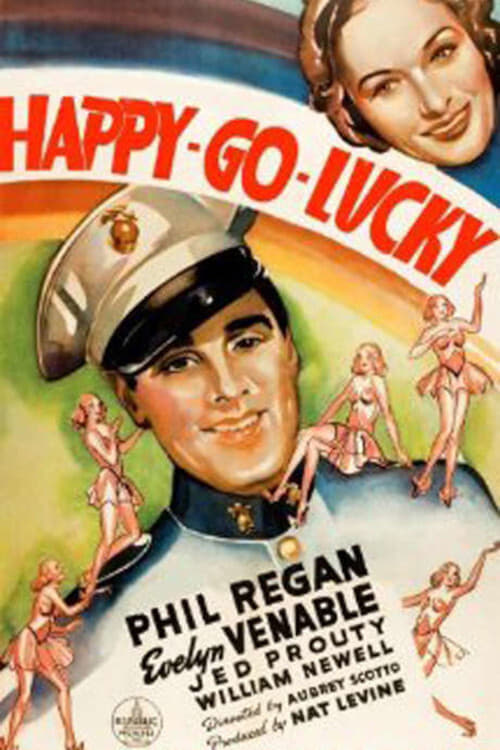
Happy Go Lucky
1936
No user ratings available yet
Representation score: 1.1 out of 10
Representation Score
Minimal
1939
ApprovedDirector
Howard Bretherton
Runtime
61 minutes
Average Rating
No ratings yetNew Showbiz Analysis
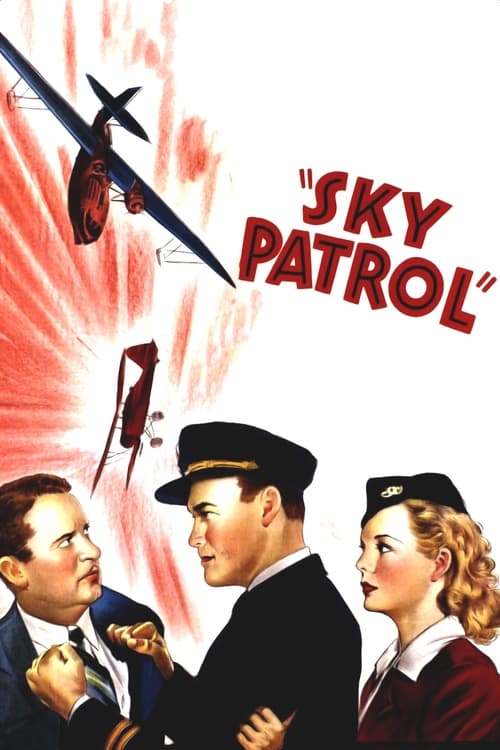
Sky Patrol is a quintessential product of its era, functioning as a traditional action-adventure piece. The narrative structure prioritizes established social hierarchies and military patriotism over social commentary. The film relies heavily on conventional masculine archetypes and nationalistic themes. While it offers a slight deviation through a character's fear of combat, this serves the hero's journey rather than challenging gender norms. Ultimately, the work lacks the intentionality required to disrupt the era's standard clichés, resulting in a narrow focus on homogeneous, institutionalized American identity.
Category Breakdown
The film does not include any LGBTQ+ characters or non-cisgender identities. It follows the traditional gender and orientation norms typical of 1930s action cinema.
The story centers on male protagonists and authority figures, reinforcing traditional hierarchies. Although Carter Meade deviates from hyper-masculinity by fearing guns, this is presented as a personal obstacle.
The narrative focuses on nationalistic defense and the U.S. Army Reserves, implying a homogeneous white cast. There are no non-white protagonists in the plot.
The film celebrates Western institutional values, patriotism, and military hierarchy. It upholds the necessity of state-sanctioned structures without offering any secularist or anti-institutional critique.
Carter Meade's psychological struggle with firearms is framed as a character flaw rather than a nuanced exploration of mental health. No characters with visible or invisible disabilities are portrayed with real power.
Present on Screen
Limited or Absent
Official Synopsis
"Tailspin Tommy" Tompkins and "Skeeter" Milligan are training young U. S. Army fliers for the newly-formed 'Sky Patrol,'a branch of the Army Reserves which operates along the borders and coast-lines, on the lookout for smugglers. Carter Meade, whose father is the Colonel in charge of the patrol, has a terror of firing guns and his father insists he conquer this fear. Tommy sends him out on patrol, on orders from Washington D. C., to stop any unfamiliar aircraft. Carter challenges an unmarked amphibian plane, which opens fire on him. Carter, afraid to shoot, bails out as his plane is shot down. Carter is missing, and Tommy and Skeeter are searching for him and the mysterious airplane.
1936
1930
1931
1949
1934
1964
1939
2008
No reviews yet. Be the first to share your thoughts on this movie!
Use the rating form above to leave a star rating and optional review.