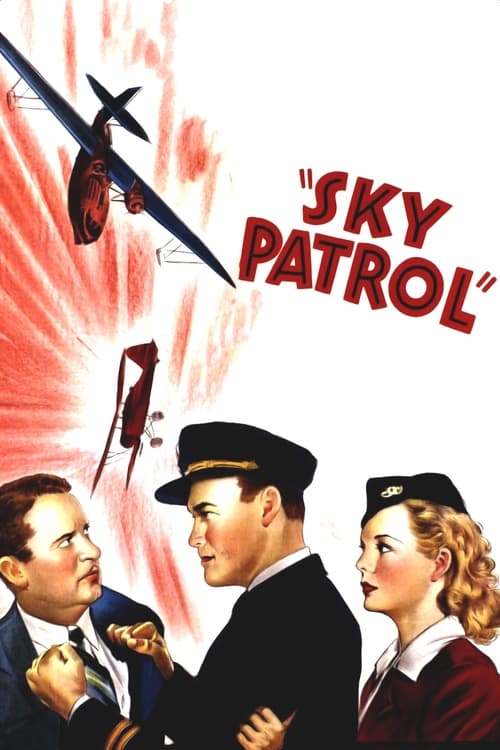
Sky Patrol
1939
No user ratings available yet
Diversity score: 2.2 out of 10

1936
PassedDirector
Aubrey Scotto
Runtime
69 minutes
Average Rating
No ratings yetSynopsis
A singer in Shanghai looks exactly like a missing flyer who went missing, and is feared to have sold the experimental airplane that he was flying. Foreign gangsters, the missing flyers girlfriend, and the U.S. military wants him, dead or alive.
Overall Score
Limited
Category Breakdown
LGBTQ+ Representation
The film lacks any evidence of non-cisnormative identities. The romantic tension is strictly heterosexual, centered on the pilot's girlfriend.
Gender Representation
Female characters serve primarily as motivators for the male protagonist. The narrative adheres to traditional gender hierarchies and era-specific tropes.
Racial & Ethnic Diversity
While set in Shanghai, the story is driven by Western interests and military pursuit. The agency of the local population remains unclear.
Religious & Cultural Diversity
The plot focuses on Western institutional interests and military authority. There is no indication of anti-Western or anti-capitalist perspectives.
Disability Representation
No visible or invisible disabilities are depicted within the character arcs or central plot elements.
Strengths
Areas for Improvement
AI Analysis
Happy Go Lucky is a conventional 1930s adventure-drama that relies heavily on established tropes of mistaken identity and high-stakes pursuit. The narrative architecture prioritizes Western institutional interests, specifically the U.S. military and the protection of technological assets. While the Shanghai setting offers a backdrop for potential cultural complexity, the story remains centered on Western protagonists and traditional power dynamics. The film lacks the intersectional depth or systemic critique necessary to move beyond the social frameworks of its era. Ultimately, the film functions as a standard genre piece, focusing on individual identity and state pursuit rather than progressive social representation.
No reviews yet. Be the first to share your thoughts on this movie!
Use the rating form above to leave a star rating and optional review.