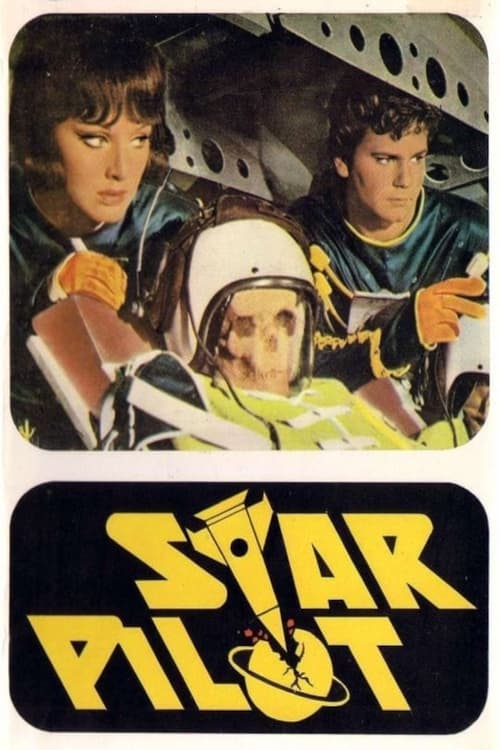
Star Pilot
1966
No user ratings available yet
Diversity score: 2.8 out of 10

1952
Runtime
64 minutes
Average Rating
No ratings yetSynopsis
In post-apocalyptic New York, three tribes of survivors (the Norms, the Mutates and the Upriver People) vie for the right to exist. When the treacherous Upriver People attack the Norms, kill their chief and take their people captive, two Norm refugee men must find a way to ally with the Mutates, who have previously kidnapped Norm women in an effort to reproduce healthy children, to rout the Uprivers, who also seek to kill off the Mutates.
Overall Score
Limited
Category Breakdown
LGBTQ+ Representation
The film lacks any evidence of LGBTQ+ characters or non-cisnormative identities. The narrative focuses on tribal survival and reproductive necessity, adhering to the heteronormative tropes common in 1950s cinema.
Gender Representation
Male characters drive the plot through strategic alliances and maneuvers. While women are central to the conflict, they function primarily as captives and reproductive stakes rather than proactive agents.
Racial & Ethnic Diversity
The tribal framework uses groups like the Mutates as proxies for 'otherness.' However, the film likely relies on standard era tropes regarding primitive versus civilized social structures.
Religious & Cultural Diversity
The post-apocalyptic setting emphasizes a breakdown of Western institutions. The focus remains on biological continuity and survival rather than a critique of religion, capitalism, or systemic oppression.
Disability Representation
The 'Mutates' represent biological divergence from the norm. These characters likely serve as markers of social deviance or plot devices rather than individuals with agency or nuanced representation.
Strengths
Areas for Improvement
AI Analysis
Captive Women is a product of its era, functioning as a standard survivalist adventure. The narrative structure is heavily patriarchal, placing agency in the hands of male refugees while women serve as the central conflict's stakes. The film utilizes sci-fi tropes of 'otherness' through its mutated characters, but these roles appear to reinforce social hierarchies rather than challenge them. There is no evidence of intentional social subversion or progressive representation. Ultimately, the film prioritizes genre conventions of tribal warfare and biological survival over nuanced character development or intersectional diversity.
1966
1966
1967
2008
1939

1982
2014
2018

1997

1995
1973

2020
No reviews yet. Be the first to share your thoughts on this movie!
Use the rating form above to leave a star rating and optional review.