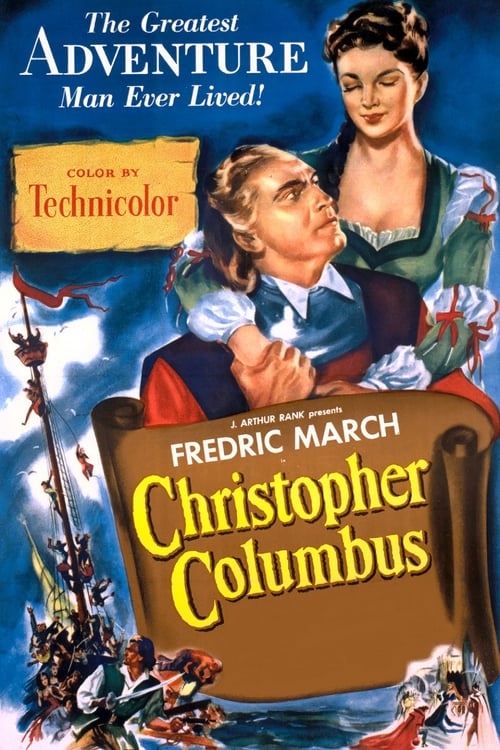
Christopher Columbus
1949
No user ratings available yet
Representation score: 0.8 out of 10

Representation Score
Minimal
1992
PG-13Director
John Glen
Runtime
120 minutes
Average Rating
No ratings yetNew Showbiz Analysis
This historical epic upholds traditional hierarchies and social structures of the 15th century. It centers the European perspective and maintains a conservative approach to cultural storytelling. The film reinforces Western institutional authority and religious hegemony, presenting mercantilist expansion and imperial objectives as foundational drivers of history.
Category Breakdown
The film sticks to traditional structures and does not include any representation of LGBTQ+ identities.
The film maintains traditional gender roles where men hold most positions of power and influence, while Queen Isabella's role is limited to politics.
The story focuses on a predominantly European perspective, with Indigenous populations serving mainly as a backdrop rather than having their own complex character development.
The film emphasizes the dominance of Western institutions such as the Catholic Church and the Spanish Monarchy, portraying imperial expansion and religious missions as standard historical goals.
There are no characters with visible or invisible disabilities that play a central role in the narrative or specific plot devices.
Present on Screen
Limited or Absent
Official Synopsis
Genoan navigator Christopher Columbus has a dream to find an alternative route to sail to the Indies, by traveling west instead of east, across the unchartered Ocean sea. After failing to find backing from the Portugese, he goes to the Spanish court to ask Queen Isabella and King Ferdinand for help. After surviving a grilling from the Head of the Spanish Inquisition Tomas de Torquemada, he eventually gets the blessing from Queen Isabella and sets sail in three ships to travel into the unknown. Along the way he must deal with sabotage from Portugese spies and mutiny from a rebellious crew.
1949
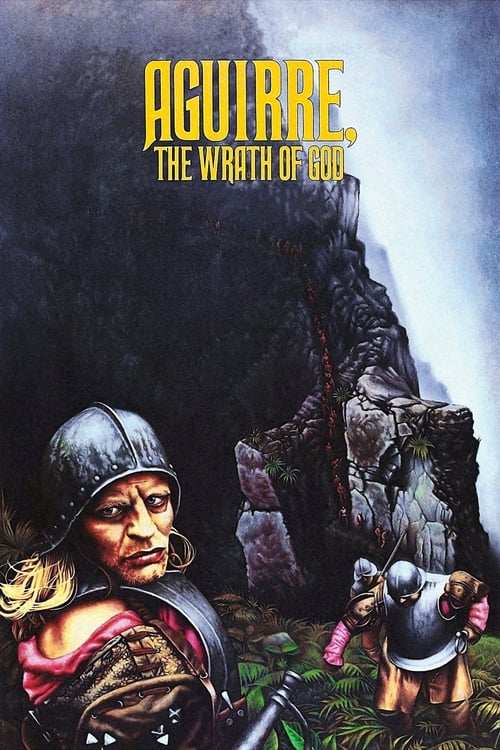
1972

2025
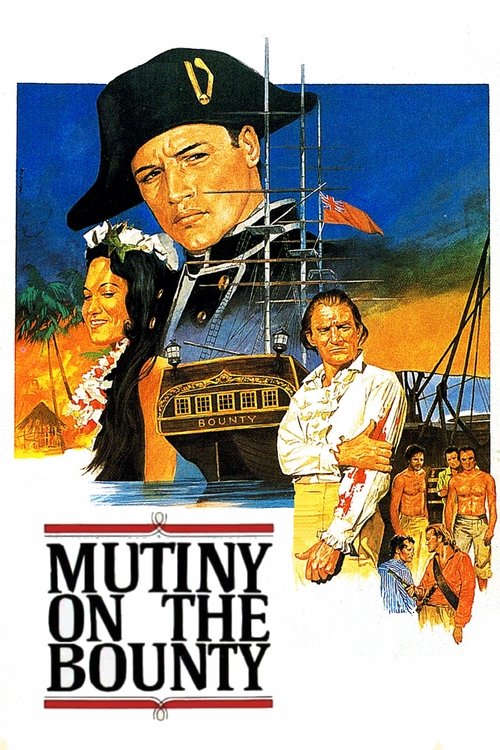
1962

2015
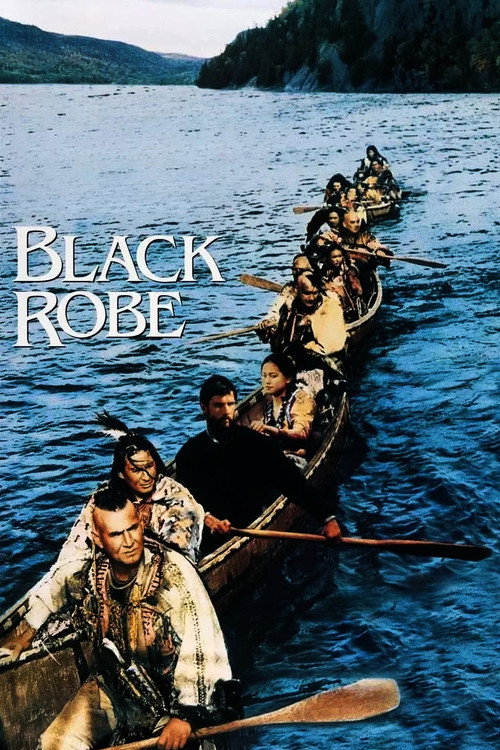
1991

2015
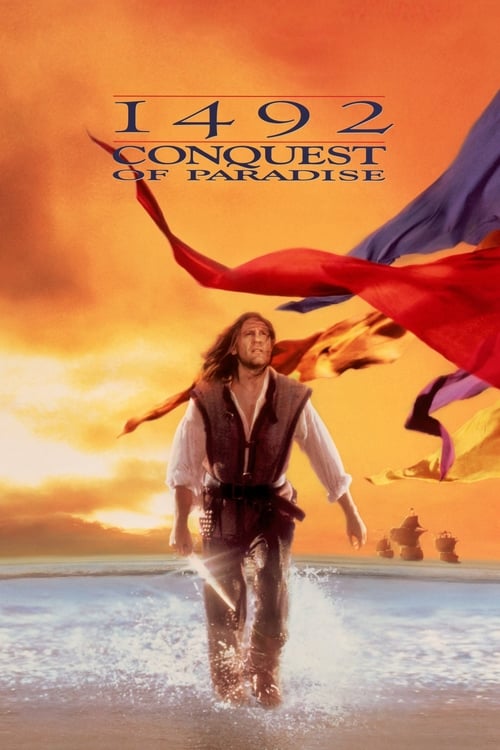
1992
No reviews yet. Be the first to share your thoughts on this movie!
Use the rating form above to leave a star rating and optional review.