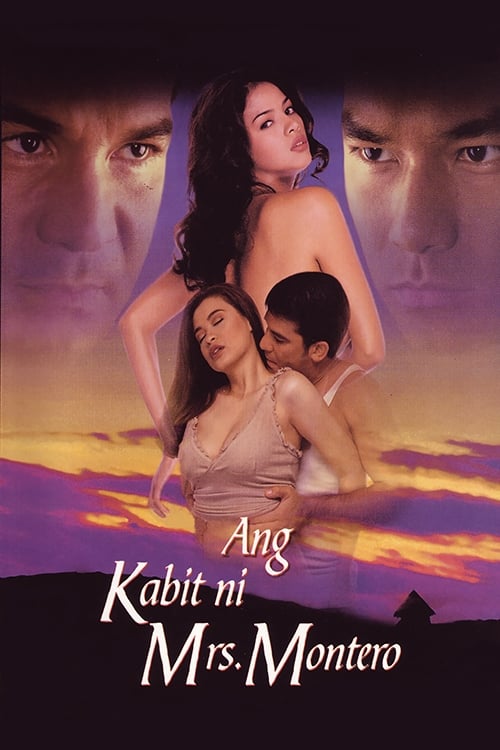
Mrs. Montero's Paramour
1999
No user ratings available yet
Representation score: 8.2 out of 10

Representation Score
Good
1970
RDirector
Christopher Miles
Runtime
95 minutes
Average Rating
No ratings yetNew Showbiz Analysis
The film serves as a reflection of the 1970s, showcasing a shift towards a more permissive and subjective morality. Its primary strength lies in its subversion of traditional gender hierarchies, particularly through the protagonist's journey towards bodily autonomy. While the narrative challenges restrictive English social structures, it remains limited by its focus on heterosexual romance. The absence of LGBTQ+ representation and disability-centric narratives prevents a higher diversity score. Ultimately, the film uses instinctual desire to critique societal repression, though it relies on established archetypes to introduce cultural diversity.
Category Breakdown
The story focuses on heterosexual relationships and traditional romances. It doesn't include explicit depictions of same-sex intimacy or non-cisgender identities.
The film challenges traditional gender roles by centering on a female protagonist's sexual autonomy. She drives the plot's development, reclaiming control from restrictive social norms.
The inclusion of a virile gypsy character adds ethnic diversity to an English setting. This provides a sense of 'otherness' against the protagonist's homogeneous environment.
The narrative critiques restrictive English social and religious norms through a lens of moral relativism. It uses sexual awakening to symbolize the breakdown of societal constraints.
There is no documented evidence regarding the inclusion of characters with physical or neurodivergent disabilities.
Present on Screen
Limited or Absent
Official Synopsis
Film adaptation from the novel by D.H. Lawrence, discovered after the celebrated author's death in 1930, a romantic love story tells of a prim young English girl who is sexually attracted to a seductively virile gypsy. The climatic dam burst is linked with the consummation of her desire.
1999

1969
2006

1956

1989
1976

1981

2015
No reviews yet. Be the first to share your thoughts on this movie!
Use the rating form above to leave a star rating and optional review.