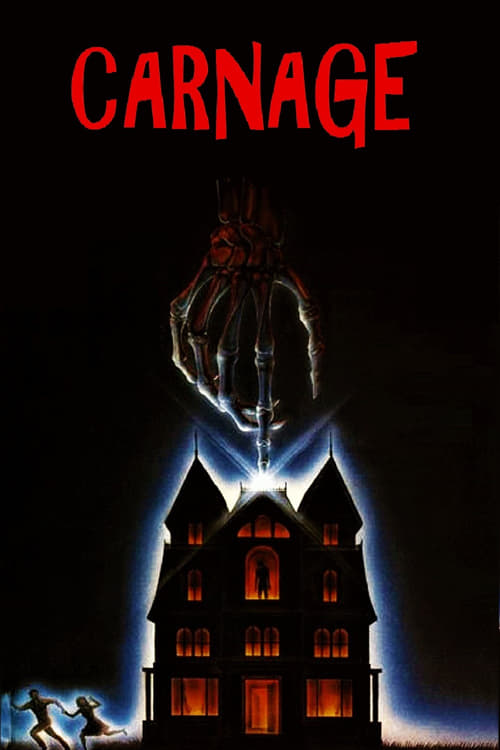
Carnage
1984
No user ratings available yet
Representation score: 2.9 out of 10
Representation Score
Limited
1980
Director
Giorgio Cavedon, Mario Caiano
Runtime
94 minutes
Average Rating
No ratings yetNew Showbiz Analysis
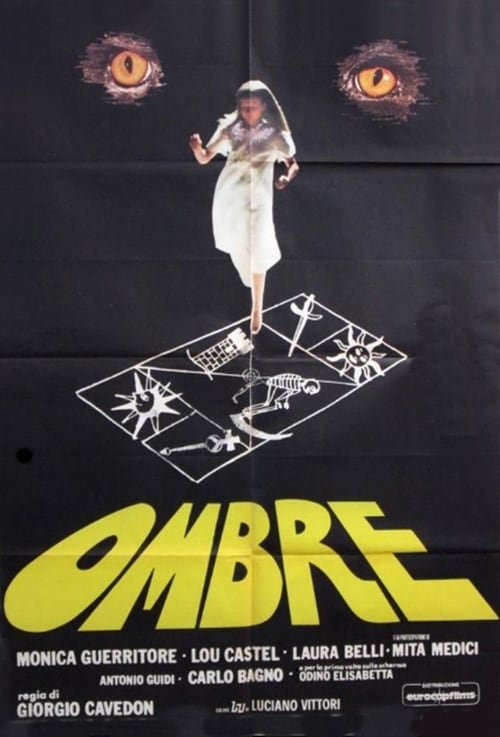
Shadow operates within the conventional social and demographic frameworks of early 1980s European cinema. The narrative relies heavily on established genre clichés, focusing on a male-centric psychological drama that lacks intentional multi-layered complexity. The film’s structure prioritizes individualist internal conflict over systemic critique. While it touches on mental health through the protagonist's depression, it does so through a traditional horror lens rather than a progressive one. Ultimately, the production reflects the demographic homogeneity typical of its era, offering little in the way of diverse representation or social subversion.
Category Breakdown
The film focuses on a romantic relationship between Renato and Monica. There are no queer narratives or non-cisgender identities, sticking to traditional heterosexual structures.
The story centers on Renato, a male protagonist dealing with psychological issues. Monica serves mainly as a catalyst for Renato's journey within a domestic context.
As an Italian film from 1980, it likely reflects the homogeneous demographics of European cinema from that time. It lacks significant racial or ethnic diversity.
The plot revolves around personal conflicts and psychological trauma. It does not challenge traditional family or religious structures.
Renato is described as depressed, introducing themes of mental health. These themes are portrayed through conventional horror clichés rather than nuanced representations of neurodivergence.
Present on Screen
Limited or Absent
Official Synopsis
Renato, a depressed man with a troubled past, thinks his luck has finally changed when he meets the wonderful Monica. Unfortunately, Monica currently occupies a home she believes is haunted by the malicious spirit of her dead grandfather. This psychological horror / drama was a flop in theaters and, to date, has only been issued a single time on a home viewing format (a VHS release in Italy).
1984
1977

1976
1986
1976
1974

1978

1987
No reviews yet. Be the first to share your thoughts on this movie!
Use the rating form above to leave a star rating and optional review.