
Hope Floats
1998
No user ratings available yet
Representation score: 1.9 out of 10

Representation Score
Fair
2005
PG-13Director
Darren Grant
Runtime
117 minutes
Average Rating
No ratings yetNew Showbiz Analysis
The film excels at centering Black female experiences and challenging patriarchal hierarchies. By emphasizing female solidarity and spiritual autonomy, it disrupts conventional domestic stability through a specific cultural lens. However, the narrative is limited by its adherence to traditional religious frameworks and straight-centered structures. The focus on moral redemption through Christian values confines the scope of its cultural critique. Ultimately, the work succeeds as a study of Black community and matriarchal strength, even while operating within conservative social and religious boundaries.
Category Breakdown
The story focuses on heterosexual marriage issues and does not include LGBTQ+ characters or narratives that question traditional relationships.
The film highlights the resilience and ability to act of women. It challenges the idea of the stable provider by showing the male lead as morally flawed.
An all-Black cast explores the lived experiences of Black women. The narrative emphasizes the importance of Black family and community support systems.
The plot relies heavily on traditional Christian morality for resolution. It underscores the importance of spiritual adherence and matriarchal authority over secular or relative moral views.
There are no prominent depictions of visible or invisible disabilities. No character arcs are driven by disability within the narrative.
Present on Screen
Limited or Absent
Official Synopsis
Charles, an attorney, and Helen, his devoted wife, seem to have everything – money, a beautiful mansion – the American Dream. However, as Helen prepares to celebrate their 18th wedding anniversary, her life takes an unexpected twist when she comes home to find her clothes packed up in a U-Haul van parked in the driveway. Charles is divorcing her and kicks her out. Helen moves in with her grandmother Madea, an old woman who doesn't take any lip from anyone. Madea helps Helen through these tough times by showing her what is really important in life. Helen is forced to rediscover love, life, and religion in her pursuit for happiness.
1998

1988

2004

2017

1999

2009

1998
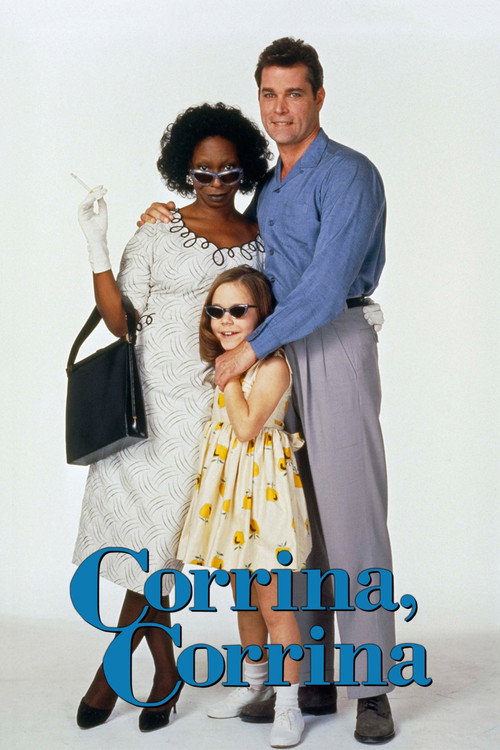
1994
No reviews yet. Be the first to share your thoughts on this movie!
Use the rating form above to leave a star rating and optional review.