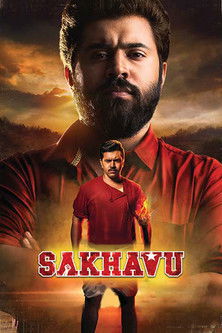
Sakhavu
2017
No user ratings available yet
Diversity score: 5.1 out of 10

2011
Director
Umesh Vinayak Kulkarni
Runtime
139 minutes
Average Rating
No ratings yetSynopsis
Keshya, a simple villager believes that god has arrived in his village but everyone disbelieves him. Later when the politics plays its part things take a drastic change
Overall Score
Fair
Category Breakdown
LGBTQ+ Representation
The film focuses on the socio-religious dynamics of a rural Maharashtrian village. There is no discernible presence of LGBTQ+ characters or non-heteronormative identities.
Gender Representation
Decision-making power is concentrated among male village elders and council members. The film does not actively subvert gender hierarchies or showcase significant female agency.
Racial & Ethnic Diversity
The narrative provides an authentic depiction of a Marathi-speaking agrarian community. It avoids the homogenization of mainstream cinema by focusing on a localized, non-urban identity.
Religious & Cultural Diversity
The film excels in its critique of religious hegemony and blind superstition. It prioritizes rationalism and secular progress by framing the tension between sacred spaces and cinema.
Disability Representation
There is no significant evidence of characters with visible or invisible disabilities. The film does not engage with neurodivergence or physical disability as part of its themes.
Strengths
Areas for Improvement
AI Analysis
Deool is a sophisticated social satire that examines the friction between religious traditionalism and modernity in rural Maharashtra. It uses the introduction of a cinema hall to disrupt established social orders and shift focus toward secular realities. The film's strength lies in its intellectual deconstruction of religious authority. By weighing cultural preservation against the necessity of modern media, it challenges dogmatic adherence to traditionalist power structures. However, the film operates within traditional patriarchal structures. It lacks representation for LGBTQ+ identities and does not feature characters with disabilities, resulting in a narrow demographic scope.
2017
2009
2011
2018
2008

2007
2021
2011
2012
2018
2014
1987
No reviews yet. Be the first to share your thoughts on this movie!
Use the rating form above to leave a star rating and optional review.