Rosemary
1958
No user ratings available yet
Representation score: 3.0 out of 10
Representation Score
Fair
1977
RDirector
Just Jaeckin
Runtime
105 minutes
Average Rating
No ratings yetNew Showbiz Analysis
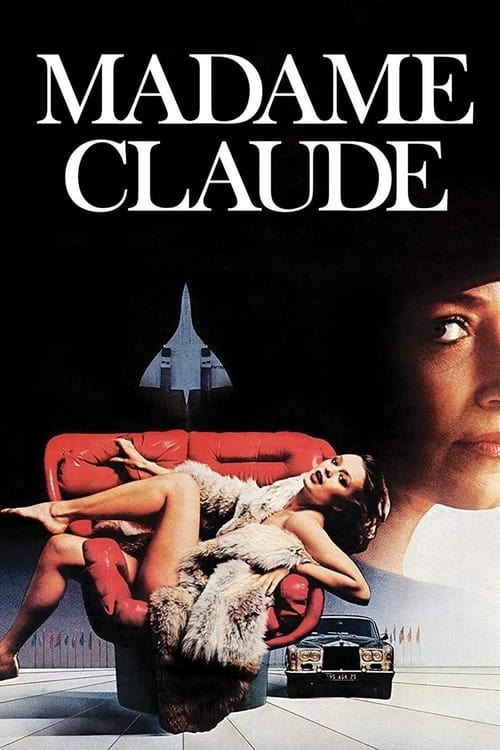
Madame Claude challenges traditional gender hierarchies by centering a woman who exerts control over a patriarchal landscape. She demonstrates a significant role in driving the story and organizational command, disrupting conventional depictions of female submissiveness. However, the film remains limited by its era and setting, offering a largely homogeneous Eurocentric cast. It lacks characters who reflect more than one aspect of diversity and provides no meaningful presence of LGBTQ+ identities or characters with disabilities. Ultimately, the film's strength lies in its critique of institutional integrity and its embrace of moral relativism, even as it fails to address broader demographic diversity.
Category Breakdown
The film does not include any clear LGBTQ+ narratives or characters with diverse gender identities. The social interactions are centered around heterosexual relationships without significant queer identities.
Madame Claude is a powerful central figure who demonstrates superior strategic thinking and controls a complex socio-political network. Women are shown as the main drivers of this network.
The cast is primarily white and Eurocentric, reflecting the 1977 Parisian setting. There is no multi-layered casting or racial diversity within this homogeneous elite class.
The film presents a secular, pragmatic view of high-end escorting as a professionalized business service, avoiding traditional Christian morality.
There is no meaningful depiction of physical or neurodivergent disabilities. Characters are portrayed within the context of able-bodied social interactions.
Present on Screen
Limited or Absent
Official Synopsis
Based on a true story. Madame Claude, a well connected Parisienne with dark past, runs a network of high-class call girls. She sends her girls to any place in the world to satisfy sexual desires of wealthy and powerful men. Claude's manipulations also involve big business and politics. Meanwhile, photographer David Evans is trying to clear his own criminal record by providing the authorities with pictures of Claude's girls with important clients in compromising positions. But powerful men can do anything to keep their secrets...
1958
1964
1983

1977

2021

1980

1975
1980
No reviews yet. Be the first to share your thoughts on this movie!
Use the rating form above to leave a star rating and optional review.