Otto - The Romance Film
1992
No user ratings available yet
Representation score: 1.8 out of 10
Representation Score
Limited
2000
RDirector
Matthew Huffman
Runtime
97 minutes
Average Rating
No ratings yetNew Showbiz Analysis
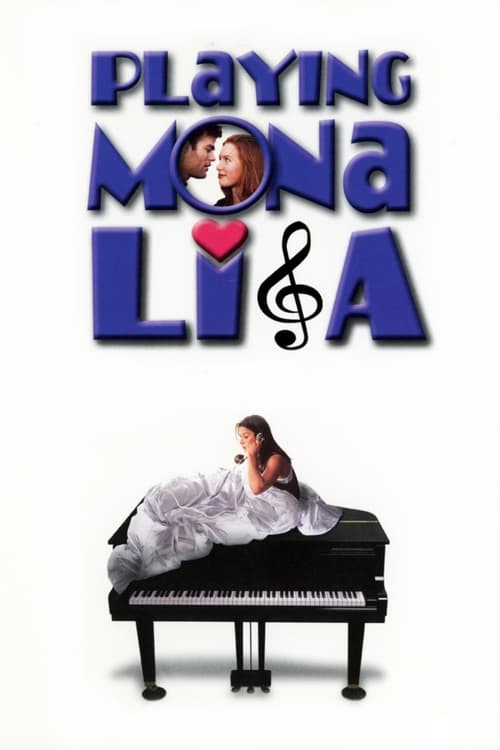
Playing Mona Lisa is a character-driven study of individual rebellion against the social conformity of the 1s. Its primary strength lies in its nuanced critique of gender hierarchies, specifically through a female protagonist who prioritizes autonomy over domesticity. However, the film's impact is limited by its historical homogeneity. The narrative mirrors the era's lack of racial integration and offers almost no representation of LGBTQ+ identities, keeping the focus strictly within traditional romantic structures. Ultimately, while the film successfully deconstructs social identity and gendered expectations, it remains a narrow exploration of personal ability to act within a very specific, non-diverse social landscape.
Category Breakdown
The film adheres to the conventions of its 1950s setting, which assumes everyone is straight or cisgender. There is no significant presence of queer subtext or non-cisgender identities central to the character arcs.
Mona Lisa actively resists the domesticity and submissive roles expected of women in the 1950s. Her pursuit of artistic freedom serves as a successful challenge to restrictive gender expectations.
The film reflects mid-century social constraints through a largely homogeneous white cast. There is a lack of characters of color in positions of influence within the narrative.
The story questions the 'correct' way to live within rigid social frameworks. It favors individual authenticity over the stifling, superficial expectations of traditional mid-century social structures.
There are no prominent depictions of physical or neurodivergent disabilities that serve as central character elements or plot drivers.
Present on Screen
Limited or Absent
Official Synopsis
A young pianist is looking for love in all the wrong places once her fiancee drops her. Maybe her flame will be rekindled both for the piano and a new love?
1992

2010

2012
2000

1998
1998
2015

2009
No reviews yet. Be the first to share your thoughts on this movie!
Use the rating form above to leave a star rating and optional review.