
VeggieTales: Josh and the Big Wall
1997
No user ratings available yet
Representation score: 0.6 out of 10
Representation Score
Minimal
2009
TV-Y7Director
John Wahba
Runtime
52 minutes
Average Rating
No ratings yetNew Showbiz Analysis
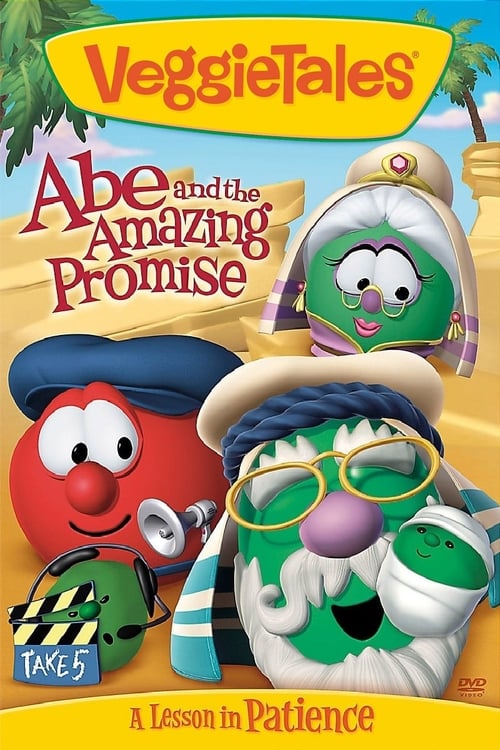
VeggieTales: Abe and the Amazing Promise is a didactic production that reinforces traditional religious and social hierarchies. The narrative focuses on a biblical retelling that prioritizes faith-based obedience and conventional family structures. The film operates within a strictly heterosexual and patriarchal framework, avoiding racial stereotypes but also lacking meaningful ethnic representation. Ultimately, the film serves as a stable, traditionalist experience, teaching lessons on patience and divine providence through a consistent faith-based framework.
Category Breakdown
The film follows a strictly heterosexual and cisgender framework. It focuses solely on the marital bond between Abraham and Sarah and does not depict any non-traditional gender identities.
Gender roles adhere to traditional hierarchies. Abraham serves as the central patriarch and spiritual leader, while Sarah's role is defined by her companionship and shared experience.
The use of anthropomorphic vegetables avoids human racial or ethnic casting. While this neutral medium prevents racial stereotypes, it also lacks meaningful ethnic representation or perspectives that reflect multiple aspects of identity.
The production centers on singular Christian and Judaic morality. It promotes a worldview of divine authority and traditional faith-based devotion as primary social drivers.
No visible or invisible disabilities are portrayed as central to the character arcs. Characters are portrayed as archetypes of faith rather than explorations of physical or neurodivergent traits.
Present on Screen
Limited or Absent
Official Synopsis
Bob the Tomato tries to bring the Bible story of Abraham and Sarah and their wait for a promised son to life, but when spitting camels and a film crew of zany French peas get involved, everyone?s patience is tested! Will Bob pull everything together in time to teach a lesson? Whether they?re waiting on a promise from God or cookies from mom, kids will learn that while being patient is never easy, the reward is always worth the wait! Features the nationally-syndicated radio host Delilah as the voice of Sarah.
1997

2002

2013

2017
1995
2010
2009
2003
No reviews yet. Be the first to share your thoughts on this movie!
Use the rating form above to leave a star rating and optional review.