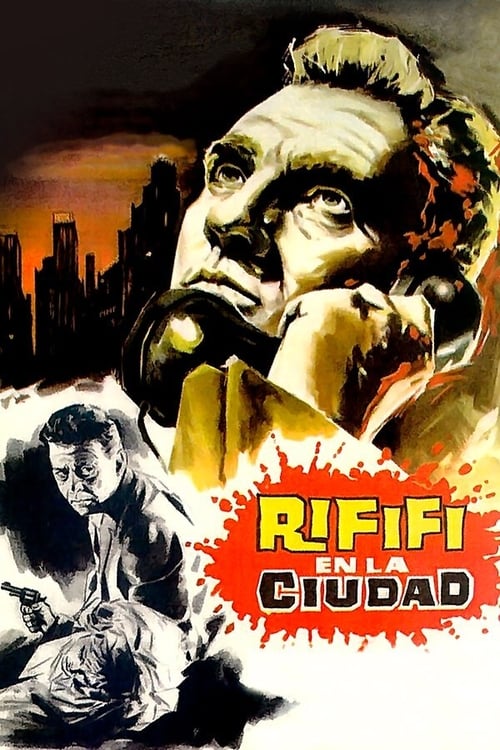
Rififi in the City
1964
No user ratings available yet
Representation score: 4.5 out of 10
Representation Score
Fair
2007
Not RatedDirector
Mario Hernández
Runtime
100 minutes
Average Rating
No ratings yetNew Showbiz Analysis
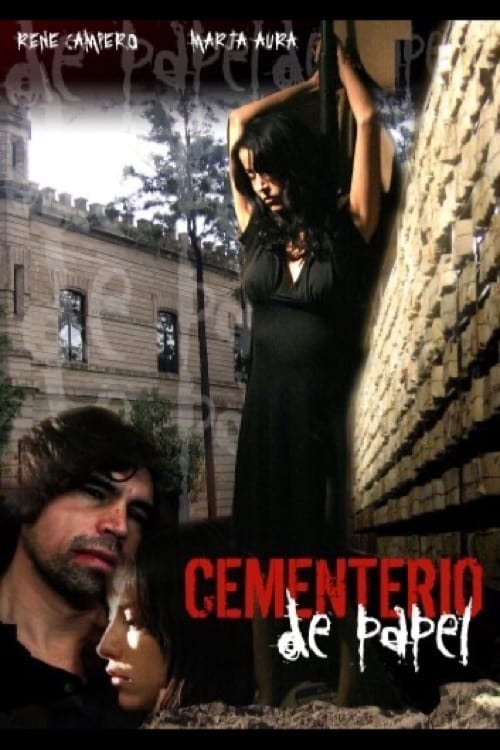
Paper Cemetery operates mainly as a critique of systemic issues rather than a typical crime thriller. By focusing on the Dirty War and institutional corruption, the film shifts attention from individual villains to the failure of state structures. The narrative centers around the National Archive as a place for reclaiming history. This approach highlights the deconstruction of official power, providing a progressive perspective on how truth is contested within society. However, the film's diversity profile is uneven. While it excels in cultural and sociopolitical depth, it lacks any representation for LGBTQ+ individuals or people with disabilities.
Category Breakdown
The film does not include any characters who identify as LGBTQ+, nor does it feature narratives that challenge traditional heterosexual relationships.
A female professional's murder sets off the main plot. She plays a key role in uncovering state secrets, which subtly challenges traditional political structures.
The film's setting and historical context of the Dirty War highlight Latin American identity. This focus moves away from Anglo-centric views to explore regional complexities.
The film offers a dense thematic exploration by criticizing state and police institutions. It emphasizes the deconstruction of official histories and the pursuit of justice against corrupt systems.
There is no evidence of characters with visible or invisible disabilities. The narrative does not address disability representation.
Present on Screen
Limited or Absent
Official Synopsis
A thriller about four young people who investigate the murder of a woman who worked in the National Archive. They discover that she had stolen documents incriminating an ex president and a high level police officer involved in crimes during the Dirty War.
1964

2020

2019
1985

2000
2007

2015

1973
No reviews yet. Be the first to share your thoughts on this movie!
Use the rating form above to leave a star rating and optional review.