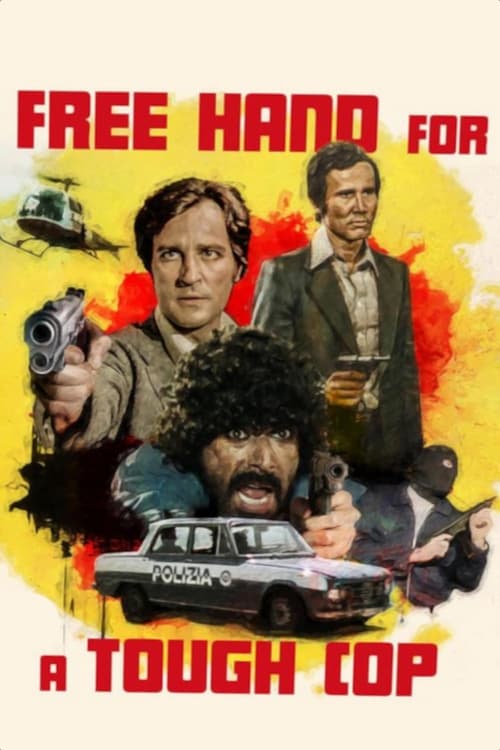
Free Hand for a Tough Cop
1976
No user ratings available yet
Representation score: 4.2 out of 10

Representation Score
Limited
1973
Director
Alfredo B. Crevenna
Runtime
83 minutes
Average Rating
No ratings yetNew Showbiz Analysis
The film is a standard genre piece that adheres to the heroic archetypes of 1970s Mexican action cinema. While it offers a non-Western perspective through its production origin, the narrative structure remains deeply traditional. Representation is limited by the era's conventions, particularly regarding gender and disability. The story prioritizes established luchador mythos and clear moral binaries over complex character studies or multi-layered exploration. Ultimately, the film functions as a populist action piece that reinforces existing social hierarchies rather than challenging them.
Category Breakdown
The film follows a traditional structure that assumes everyone is straight or cisgender. There are no depictions of same-sex relationships or non-cisgender gender identities.
The narrative relies on the 'damsel in distress' cliché. The female heiress serves as a plot catalyst rather than an active participant, remaining reactive to the male-driven rescue mission.
As a Mexican production, the film features a predominantly non-Anglo-Saxon cast. However, the story focuses on archetypal hero and villain dynamics rather than nuanced ethnic identity.
The film reinforces conventional social structures and traditional morality. It leans into the established luchador mythos without critiquing Western or capitalist institutions.
No characters with visible or invisible disabilities are portrayed with real power. The mad scientist cliché risks reducing neurodivergence to a mere plot device for villainy.
Present on Screen
Limited or Absent
Official Synopsis
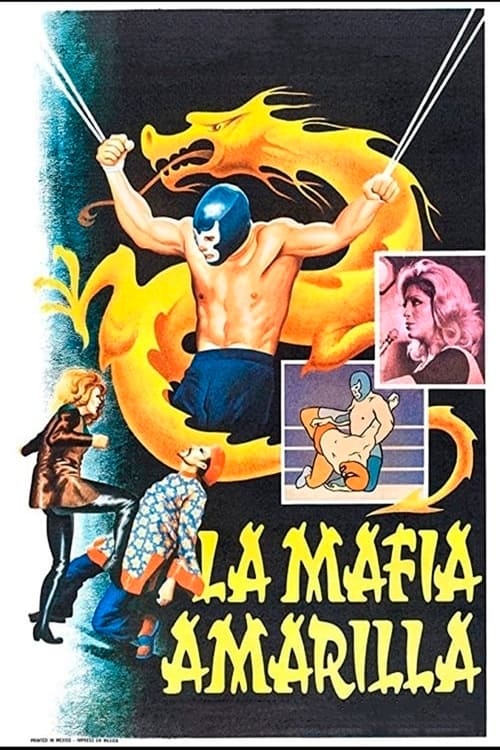
A young heiress is kidnapped by two aspiring thieves who are then captured by a mad scientist. It's up to the police, Santo, and Blue Demon to rescue them.
1976
1974

1970
1968
1965
1975

1979

1970
No reviews yet. Be the first to share your thoughts on this movie!
Use the rating form above to leave a star rating and optional review.