
Don't Go to Sleep
1982
No user ratings available yet
Representation score: 3.4 out of 10
Representation Score
Fair
1977
Not RatedDirector
Lee Phillips
Runtime
86 minutes
Average Rating
No ratings yetNew Showbiz Analysis
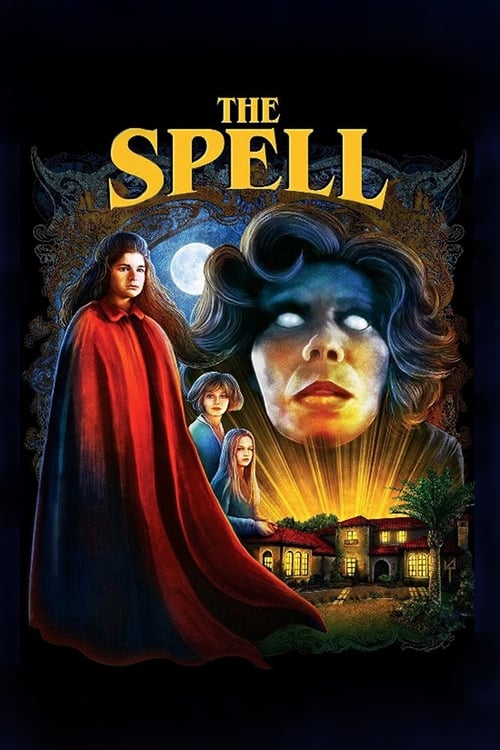
The Spell finds its most progressive footing by challenging traditional gender hierarchies. By shifting the source of psychological threat from a male figure to a female protagonist, the film offers a more complex form of women's ability to drive the story. However, the film remains tied to the social and demographic constraints of its era. It lacks engagement with racial, sexual, or systemic cultural critiques. The focus on individual psychological fragmentation rather than collective identity or systemic struggle limits its engagement with broader social diversity.
Category Breakdown
The film does not include any identifiable LGBTQ+ characters or relationships that challenge heterosexuality. The central conflict revolves around conventional romantic obsessions, ignoring queer identities.
The film centers on a female protagonist, disrupting traditional gender roles. Her psychological instability allows her to take a leading role in driving the story, avoiding the damsel in distress cliché.
The film seems to follow the demographic norms of 1970s television, lacking significant racial diversity. There is no indication of race-bent casting or deconstruction of Anglo-centric patterns.
The story focuses on psychological realism rather than systemic critique. It does not engage with a proactive deconstruction of Western institutions or religious ideals.
The film explores themes of mental instability and psychological descent. However, it risks using psychological fragility as a suspense device rather than a character-driven exploration of neurodivergence.
Present on Screen
Limited or Absent
Official Synopsis
A distraught mother must cope with her embittered daughter who has the ability to cause "accidents" to happen.
1982
1977

1981
1976

2016
1978
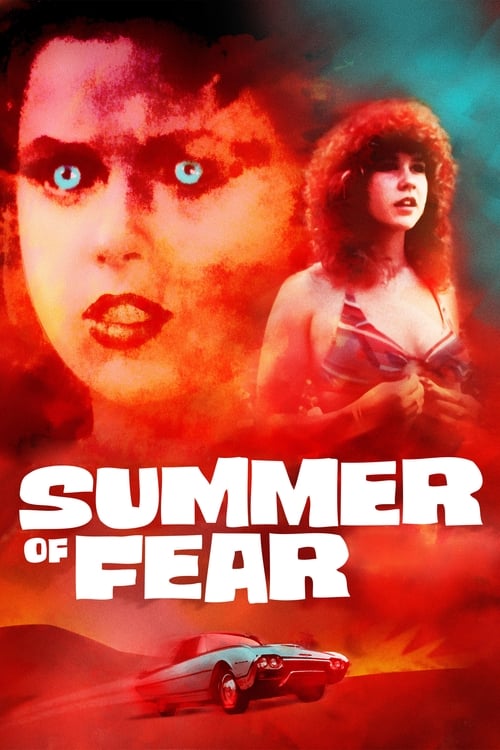
1979
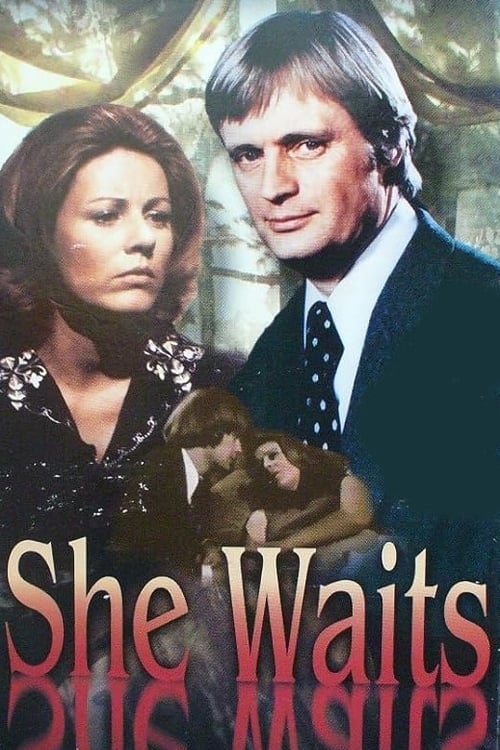
1972
No reviews yet. Be the first to share your thoughts on this movie!
Use the rating form above to leave a star rating and optional review.