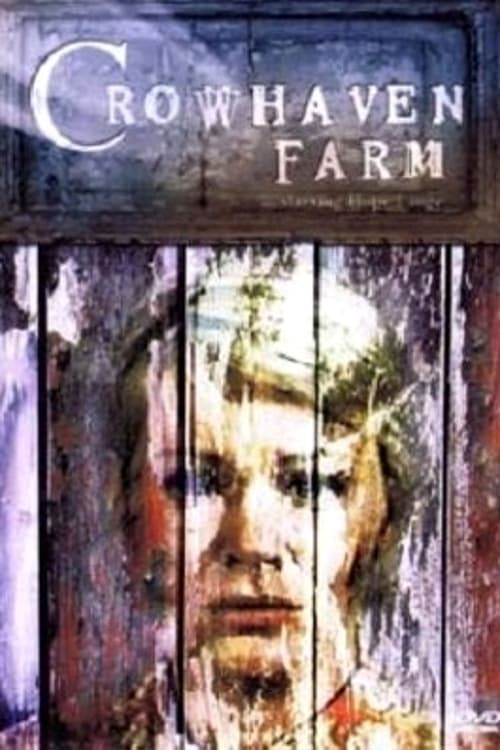
Crowhaven Farm
1970
No user ratings available yet
Representation score: 2.0 out of 10
Representation Score
Limited
1970
Not RatedDirector
John Llewellyn Moxey
Runtime
74 minutes
Average Rating
No ratings yetNew Showbiz Analysis
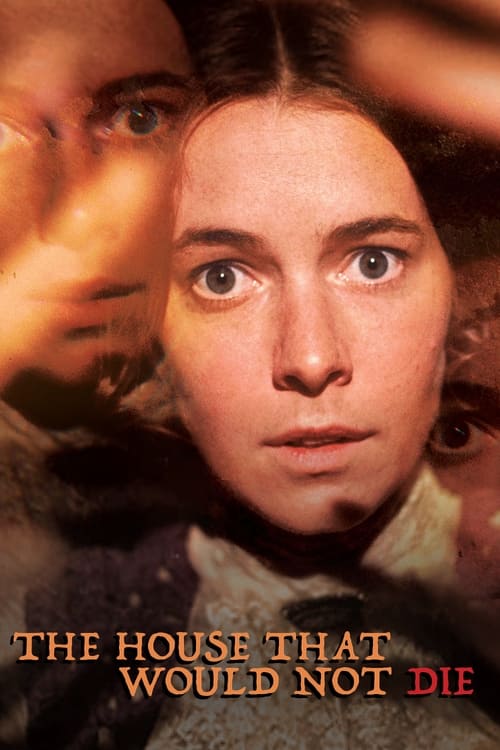
The House That Would Not Die follows typical 1970s horror conventions, focusing on supernatural tension rather than challenging social norms. Its use of well-known horror clichés indicates a story centered around traditional conflicts rather than diverse representation. The Amish setting restricts the narrative to a culturally specific community, which limits the inclusion of broader racial and cultural diversity. This narrows the scope of the story to traditional themes. Overall, the film adheres to the storytelling standards of its time without making intentional efforts to disrupt social hierarchies or offer meaningful representation for underrepresented groups.
Category Breakdown
The film centers on witchcraft and black magic within a traditional Amish community, which usually emphasizes straight relationships and doesn't show any non-traditional gender identities.
Female characters often play key roles in supernatural stories, but here they don't have much control over the plot or challenge traditional gender roles.
The story focuses on the Amish community, which is ethnically homogeneous, limiting the inclusion of diverse racial backgrounds.
The film deals with black magic as a horror theme, using it as a cliché rather than a critical look at traditions.
There is no specific mention of characters with physical or cognitive differences.
Present on Screen
Limited or Absent
Official Synopsis
A tale of witchcraft, black magic and a haunted house in the Amish country.
1970
1960
1996
2005

2016

1972
1979
1969
No reviews yet. Be the first to share your thoughts on this movie!
Use the rating form above to leave a star rating and optional review.