
Swim Team
2016
No user ratings available yet
Representation score: 7.6 out of 10
Representation Score
Good
2015
TV-GDirector
Alexandra Shiva
Runtime
88 minutes
Average Rating
No ratings yetNew Showbiz Analysis
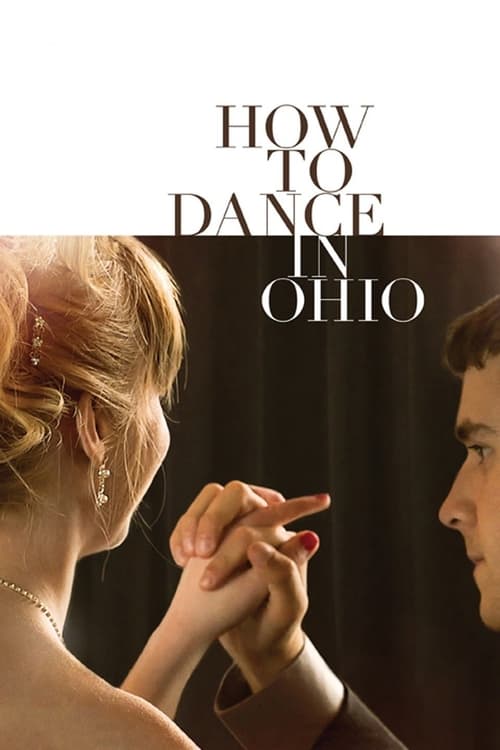
How to Dance in Ohio stands out as a powerful character study, particularly in its portrayal of neurodivergent individuals. By centering autistic teenagers, the film avoids common stereotypes and emphasizes the true complexities of navigating social environments. The film also excels in its strong female-centric narrative, which elevates the emotional autonomy and friendships of its female characters. However, the predominantly white cast and the absence of explicit LGBTQ+ identities limit the film's scope, making it more of a localized study rather than a broader exploration of diverse experiences.
Category Breakdown
The film does not focus on explicit LGBTQ+ identities or relationships that go beyond traditional heterosexual norms. Instead, it centers on conventional interpersonal dynamics.
The narrative is primarily focused on female characters, emphasizing their emotional independence and ability to act. By highlighting female friendships, it removes the typical male perspective from the story.
The cast is mainly composed of white actors, reflecting the film's setting in a working-class community in Ohio. This focus on a specific local context limits the film's ability to address broader cultural narratives.
The film offers a realistic and somber look at the economic hardships faced by working-class individuals, avoiding idealized depictions of the American Dream.
The film highlights the experiences of autistic teenagers, focusing on their social challenges and sensory sensitivities without resorting to inspirational stories.
Present on Screen
Limited or Absent
Official Synopsis
In Columbus, Ohio, a group of autistic teenagers and young adults role-play this transition by going through the deceptively complex social interactions of preparing for a spring formal. Focusing on several young women as they go through an iconic American rite of passage, we are given intimate access to people who are often unable to share their experiences with others. With humor and heartbreak, How to Dance in Ohio shows the daily courage of people facing their fears and opening themselves to the pain, worry, and joy of the social world.
2016

2016

2012

2019

2012

2012

2022

2015
No reviews yet. Be the first to share your thoughts on this movie!
Use the rating form above to leave a star rating and optional review.