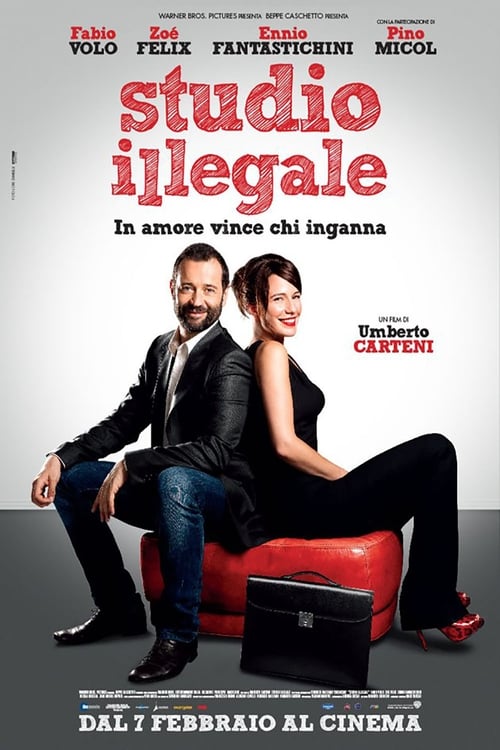
Studio illegale
2013
No user ratings available yet
Diversity score: 3.4 out of 10
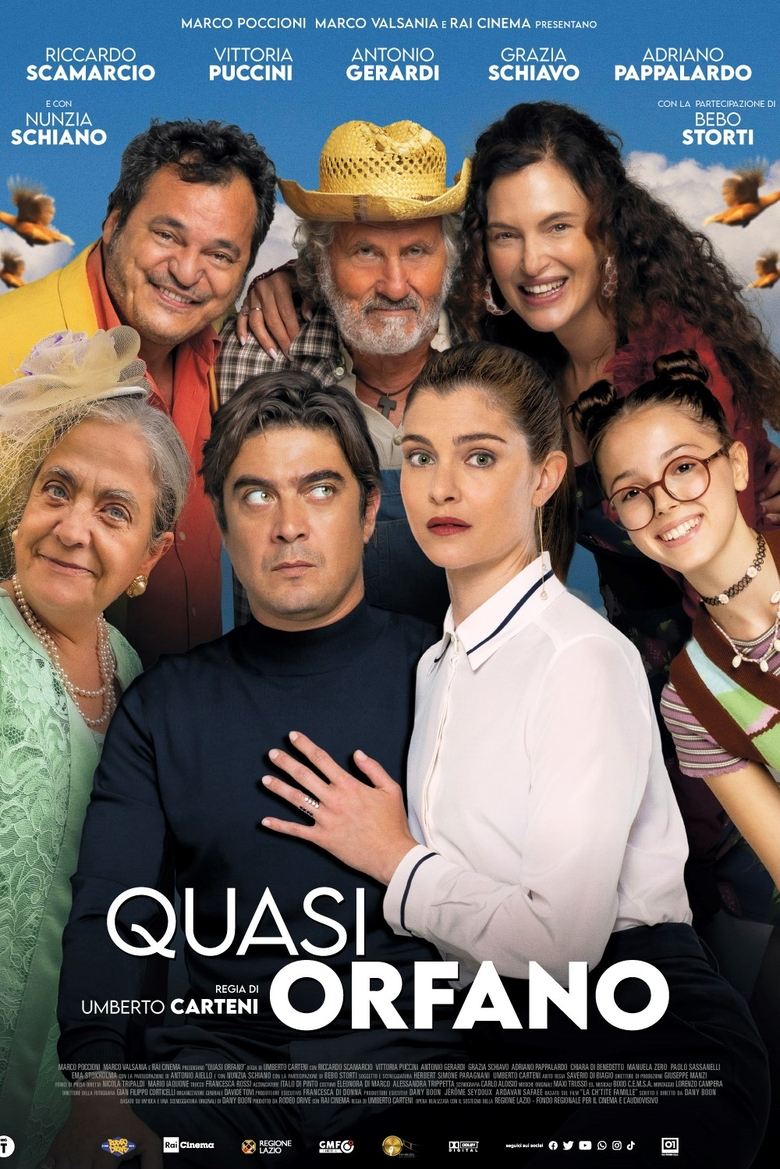
2022
Director
Umberto Riccioni Carteni
Runtime
90 minutes
Average Rating
No ratings yetSynopsis
Valentino Tarocco invents a new life as a famous Milanese designer. He has removed all connection with the past, but an accident will bring him back to his twenties, causing him to recover his Apulian dialect and love for his origins.
Overall Score
Fair
Category Breakdown
LGBTQ+ Representation
The film offers a baseline level of inclusion without explicit details regarding the protagonist's sexual orientation. The themes of identity exploration and shedding a curated persona suggest potential for depth, though no non-heteronormative relationships are confirmed.
Gender Representation
The narrative focuses almost exclusively on the male journey of Valentino Tarocco. There is little evidence to suggest that female characters are granted significant agency or that the film subverts traditional gender hierarchies.
Racial & Ethnic Diversity
The film provides meaningful representation of regional identity by centering the Apulian dialect. This focus challenges the homogeneity of urban standards and offers localized cultural depth through geographic heritage.
Religious & Cultural Diversity
By critiquing the perceived superiority of metropolitan high-fashion culture, the film disrupts expectations of social mobility. It frames the return to one's roots as a reclamation of authentic identity over superficiality.
Disability Representation
An accident serves as the catalyst for the protagonist's shift, but it is unclear if this involves a physical or neurodivergent condition. There is no evidence of disability being portrayed with nuanced agency.
Strengths
Areas for Improvement
AI Analysis
Quasi orfano is a character-driven comedy that finds its strength in the tension between regional heritage and urban sophistication. The story effectively uses the reclamation of the Apulian dialect to challenge the cultural homogeneity often found in metropolitan settings. However, the film's focus remains heavily centered on a singular male protagonist. This narrow perspective limits the exploration of gender dynamics and leaves the representation of LGBTQ+ identities and disability largely unaddressed or ambiguous. Ultimately, the film succeeds as a critique of social status and identity construction, but it lacks the intersectional breadth required for a higher diversity rating.
2013
2020
2010

2019
2005

2024
2011
2017
2013

2024
1997
2003
No reviews yet. Be the first to share your thoughts on this movie!
Use the rating form above to leave a star rating and optional review.