
Birds, Orphans and Fools
1969
No user ratings available yet
Diversity score: 5.4 out of 10
1969
Not RatedDirector
Philippe Garrel
Runtime
114 minutes
Average Rating
No ratings yetSynopsis
30 year old child enters the new city, riding on a donkey. He says he is the Savior. He has spent no time among men. He is trembling with cold. His clothes are soaked. His mother was overprotective ; his father conspicuously absent. He knows that he must face the mockery, refusal, ignorance and blindness of the men around him. They travel in gangs, in large numbers : soldiers, mercenaries or the like, on majestic, imposing horses. Everything is out of proportion to his thin, bewildered, innocent body ; he is the madman of the new city...
Overall Score
Fair
Category Breakdown
LGBTQ+ Representation
The film lacks explicit depictions of LGBTQ+ identities or same-sex intimacy. However, the protagonist's fragile body stands in stark opposition to the imposing masculine structures of soldiers and mercenaries.
Gender Representation
The narrative subverts traditional masculine tropes by centering a thin, bewildered protagonist. It pits his vulnerability against the aggressive, organized masculinity of the city's male-dominated social order.
Racial & Ethnic Diversity
Specific details regarding the ethnic composition of the city are unavailable. The historical or allegorical setting provides no verifiable evidence of intersectional racial diversity.
Religious & Cultural Diversity
The film offers a progressive critique of established institutions. By framing the city's social structures as sources of cruelty, it prioritizes the experience of the misunderstood outsider.
Disability Representation
The protagonist is framed through a lens of psychological instability, described as a 'madman.' This centers a non-normative experience, though the use of madness remains ambiguous.
Strengths
Areas for Improvement
AI Analysis
Philippe Garrel’s work functions as a systemic critique of authority. By centering a self-proclaimed Savior who exists outside of traditional social roles, the film challenges the dominance of established institutions and the cruelty of the collective. The film succeeds in deconstructing traditional masculine competence. Instead of a dominant hero, the audience encounters a fragile, trembling individual who exposes the blindness and mockery of the surrounding social order. However, the film lacks concrete evidence of racial or LGBTQ+ diversity. While the narrative subtext critiques heteronormative power, the absence of specific identity-driven character arcs limits the depth of its representation.
1969
1971
1972
1976
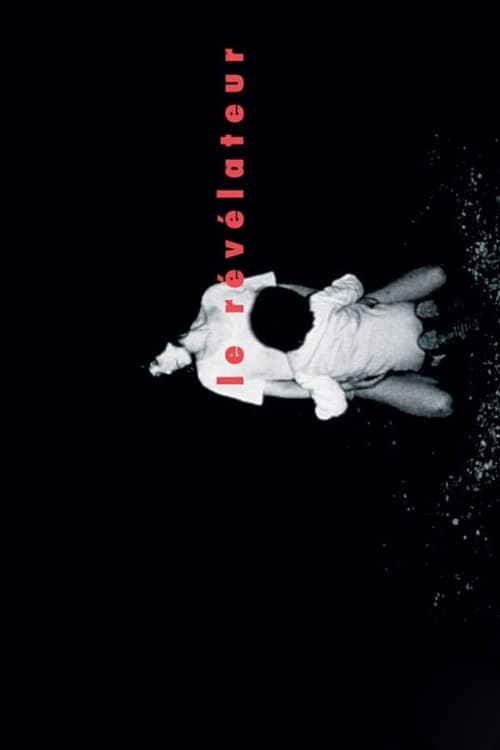
1968
No reviews yet. Be the first to share your thoughts on this movie!
Use the rating form above to leave a star rating and optional review.