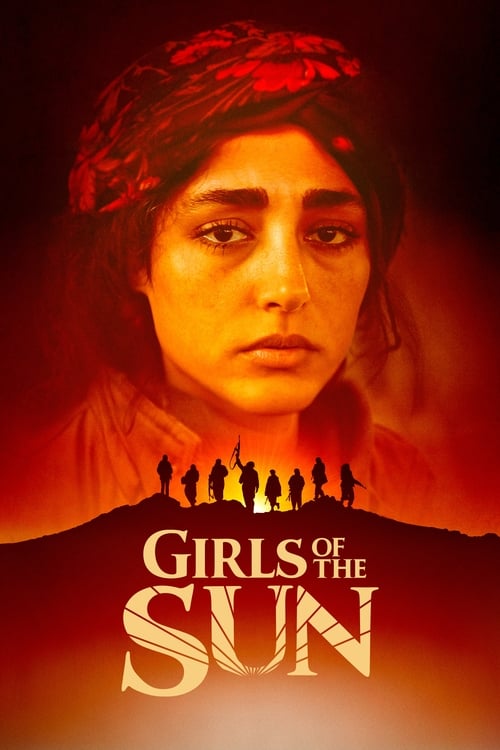
Girls of the Sun
2018
No user ratings available yet
Representation score: 9.6 out of 10

Representation Score
Excellent
2019
Director
Caroline Fourest
Runtime
112 minutes
Average Rating
No ratings yetNew Showbiz Analysis
Sisters in Arms places underrepresented identities at the forefront of an active, high-stakes conflict. Instead of portraying women or ethnic minorities as victims, the film gives them strategic leadership roles. The combination of French and Yezidi identities fosters a powerful cross-cultural solidarity. The film's strength lies in its challenge to traditional combat clichés. By highlighting the strength and fear inspired by female fighters, it disrupts conventional cinematic expectations. The narrative structure emphasizes empowerment and the dismantling of systemic violence. However, the depth of certain representations remains somewhat unclear. While the film addresses the aftermath of trauma, the specific depiction of disabilities and LGBTQ+ identities is not fully explored, leaving room for more explicit treatment.
Category Breakdown
The film highlights strong emotional bonds and a close sisterly relationship. While romantic relationships are not explicitly shown, the story focuses on non-traditional family ties over typical heterosexual relationships.
Women are portrayed as strong, active fighters rather than passive victims. By depicting these women as sources of fear for their enemies, the film challenges traditional gender roles and power dynamics.
The story features a multi-ethnic cast, connecting French characters with a Yezidi survivor. This approach highlights cross-cultural solidarity and challenges homogeneous perspectives.
The narrative centers on underrepresented groups, particularly Kurdish forces and Yezidi survivors. It explores systemic struggles and the dismantling of traditional power structures through collective resistance.
The film examines the psychological and physical consequences of trauma through the character of Zara. It delves into managing these hidden injuries and the resilience needed to overcome them.
Present on Screen
Limited or Absent
Official Synopsis
Kenza and Yaël are two young French women who go to Syria to fight alongside the Kurdish forces. There they meet Zara, a Yezidi survivor. Born in different cultures but deeply united, the women-fighters heal their past wounds and discover their present strength, especially the fear they inspire in their opponents. The three young women soon bound together and become true sisters-in-arms.
2018
2019
2022
2019
2016
2011
2022
2019
No reviews yet. Be the first to share your thoughts on this movie!
Use the rating form above to leave a star rating and optional review.