
Lorna's Silence
2008
No user ratings available yet
Representation score: 6.9 out of 10
Representation Score
Fair
2003
RDirector
Lucas Belvaux
Runtime
123 minutes
Average Rating
No ratings yetNew Showbiz Analysis
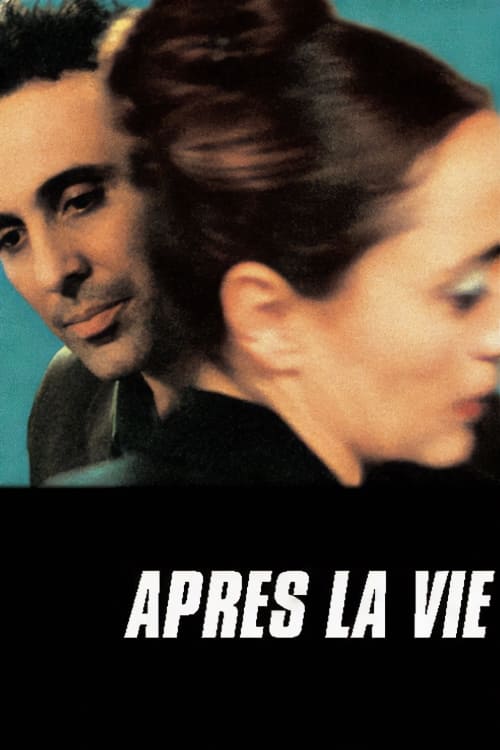
After Life is a sophisticated, character-driven drama that excels in providing nuanced psychological depth to its female protagonists. By prioritizing the internal lives of women, the film avoids common clichés that sideline female characters. However, the film's scope is quite narrow. It operates within a traditional, Eurocentric narrative framework that lacks diverse representation. The demographic focus is largely homogeneous, limiting the breadth of social perspectives presented. Ultimately, while the film succeeds as a contemplative character study, it lacks diversity across racial, LGBTQ+, and disability vectors, resulting in a limited cultural reach.
Category Breakdown
The film does not prominently feature LGBTQ+ characters or stories centered around non-assuming gender matches what was assigned at birth identities. Relationships and emotions are portrayed within a traditional framework focused on heterosexual bonds and the pain after losing a partner.
The film offers meaningful representation by emphasizing the female perspective and internal experiences. It avoids portraying women solely as secondary motivators, instead highlighting their internal lives and roles during times of grief.
The cast and setting are predominantly white and European, reflecting a homogeneous demographic. The narrative focuses on the experiences of the French middle class without incorporating diverse ethnic perspectives.
The story centers on secular, existential themes rather than organized religion. It emphasizes individual metaphysical inquiry and fragmented identity over collective social or religious morality.
Themes of addiction and psychological trauma are explored as existential crises rather than central explorations of disability. The film does not include characters with visible physical disabilities or those with neurodivergent conditions.
Present on Screen
Limited or Absent
Official Synopsis
The final installment in director Lucas Belvaux's trilogy follows Pascal, a cop who sees a return to credibility in the capture of escaped convict Bruno--who in turn is harbored by Pascal's morphine-addicted wife Agnes. Pascal's already precarious ties to Agnes are strained further when he meets and falls for her fellow schoolteacher friend Cecile. With Pascal focused on Bruno and Cecile, Agnes is forced to find a fix on her own.
2008

2007
1996

2002
2005

2002
1983

1976
No reviews yet. Be the first to share your thoughts on this movie!
Use the rating form above to leave a star rating and optional review.