Raja Bhaiya
2003
No user ratings available yet
Representation score: 2.8 out of 10
Representation Score
Good
2014
Director
Rajat Kapoor
Runtime
104 minutes
Average Rating
No ratings yetNew Showbiz Analysis
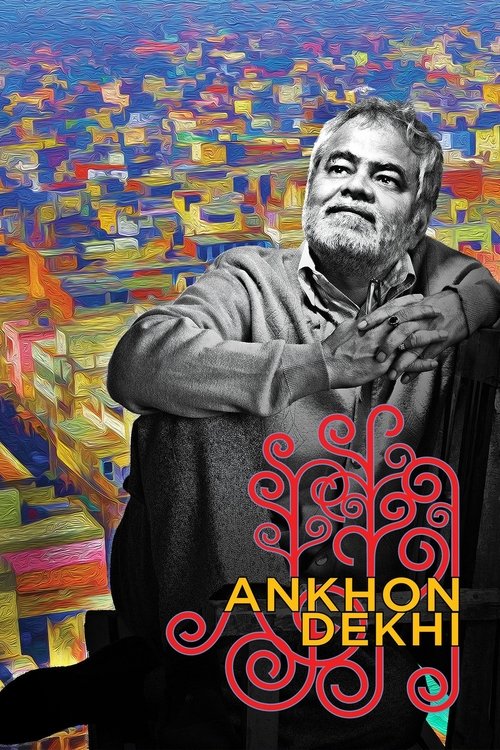
Ankhon Dekhi is a philosophical satire that deconstructs social harmony through the protagonist's commitment to absolute honesty. The film effectively uses moral relativism to challenge traditional social and familial hierarchies, providing a sophisticated look at how truth can be subjective. However, the film is limited by its focus on traditional structures and its lack of representation for LGBTQ+ identities or individuals with disabilities. While it offers an authentic Indian cultural perspective, it does not engage with broader diversity issues. Overall, the film's strength lies in its intellectual deconstruction of social etiquette rather than its broad demographic representation.
Category Breakdown
The film does not include any LGBTQ+ characters or stories. It focuses on a traditional family setup and does not explore queer perspectives or challenge assumptions about straight relationships.
The film looks at how women use emotional labor to maintain social harmony through white lies. It also gently criticizes traditional masculine roles.
The film features a mostly Indian cast, offering an authentic cultural setting. It centers on the life of an urban Indian middle-class family without trying to appeal to a global audience.
The story explores moral relativism, questioning absolute morality. It breaks down traditional social institutions like the family as structures based on performance and deception.
The film does not prominently feature physical or neurodivergent disabilities. A change in the main character’s mindset serves as a philosophical turning point rather than a study of disability.
Present on Screen
Limited or Absent
Official Synopsis
Bauji resists his daughter's request to let her marry the man she loves as the neighbours incessantly shame him. However, his opinion changes after he meets him and he decides to change his viewpoint.
2003
2017

2013

2003
2003

2017

2022
2012
No reviews yet. Be the first to share your thoughts on this movie!
Use the rating form above to leave a star rating and optional review.