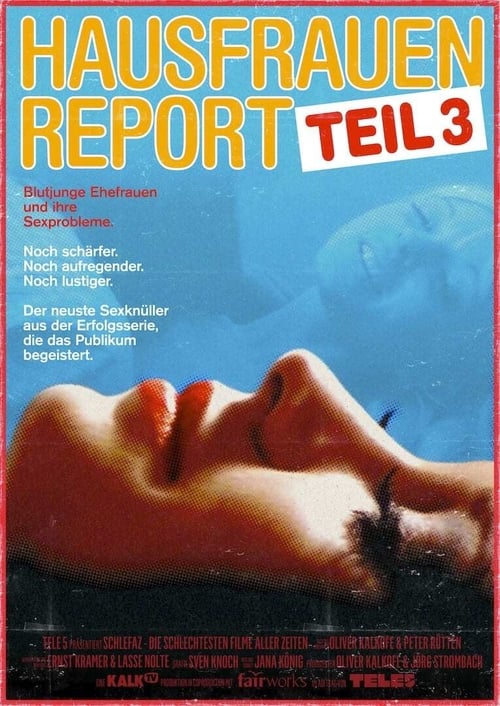
Hausfrauen-Report 3
1972
No user ratings available yet
Representation score: 1.8 out of 10
Representation Score
Fair
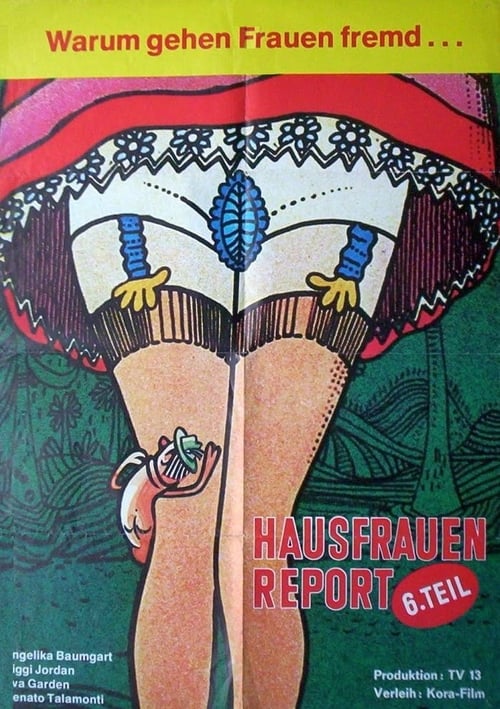
1977
Director
August Rieger
Runtime
91 minutes
Average Rating
No ratings yetNew Showbiz Analysis
Hausfrauen-Report 6 serves as a sociological exploration of the decline of traditional family structures. Using a journalistic approach, it questions the stability of marriages in the 1970s, focusing on individual ability to act. The film advances progressive themes by highlighting the female experience and challenging traditional gender roles. However, it remains constrained by the demographic limitations of its time and lacks diverse representation.
Category Breakdown
The film primarily focuses on heterosexual marriages and infidelity. There are no clear representations of LGBTQ+ identities or narratives.
The story centers around women's desires and actions. By exploring why women seek lives outside marriage, the film challenges traditional views of submissive femininity.
The cast reflects the predominantly white demographics of 1970s West Germany. There is no indication of significant racial diversity or non-white majority casting.
The film examines the institution of marriage through a sociological lens. It looks at infidelity as a social issue rather than a moral failing, emphasizing personal experiences over institutional rules.
There is no evidence of characters with physical or neurodivergent disabilities in the film.
Present on Screen
Limited or Absent
Official Synopsis
A couple of reporters interview married and divorced women about the reasons for their marital crisis.
1972

1970
1971

1969
1972
1939

1972
1978
No reviews yet. Be the first to share your thoughts on this movie!
Use the rating form above to leave a star rating and optional review.