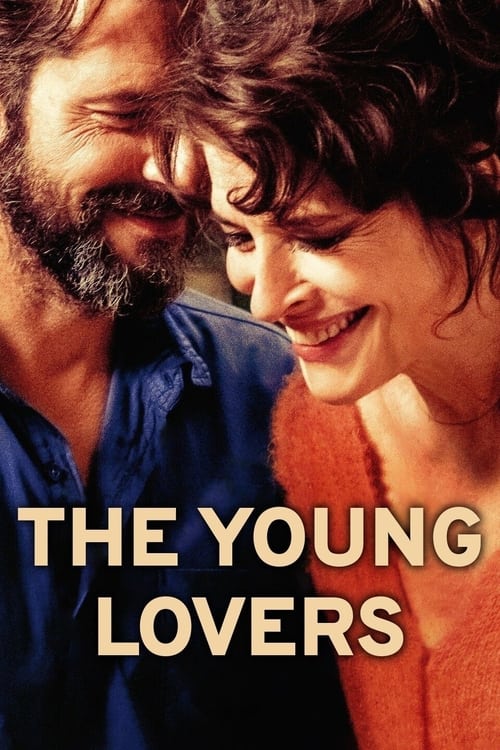
The Young Lovers
2022
No user ratings available yet
Representation score: 5.7 out of 10
Representation Score
Fair
2017
Director
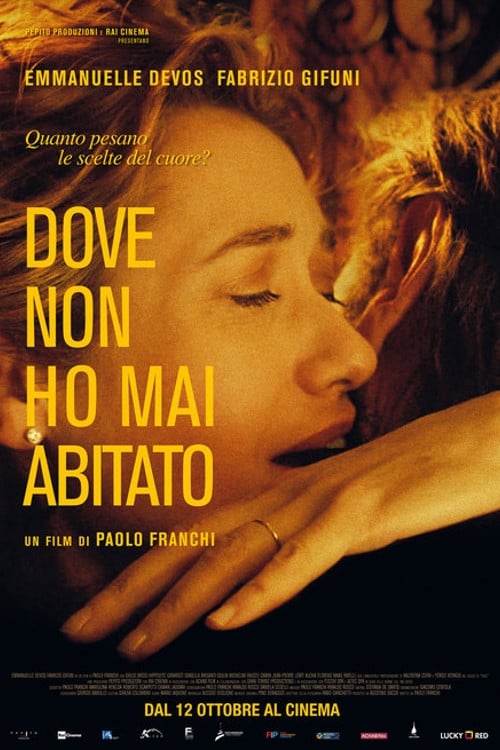
Paolo Franchi
Runtime
107 minutes
Average Rating
No ratings yetNew Showbiz Analysis
Paolo Franchi’s character study succeeds in challenging traditional gender roles by focusing on a female professional’s journey toward self-actualization. The film moves beyond the stereotype of the submissive wife, presenting Francesca as the primary driver of her own life. By showing a non-monogamous relationship as stable and functional, the film avoids the common pitfall of depicting such relationships as inherently problematic. However, the film’s reach is limited by its narrow focus on a culturally homogeneous European demographic, lacking a broader racial and ethnic perspective.
Category Breakdown
The film showcases a stable, non-monogamous relationship between Massimo and Sandra, avoiding the usual tragic portrayal. This relationship highlights modern interpersonal connections in a positive light.
Francesca is a professional architect who drives the narrative through her own actions and decisions. The story challenges traditional domestic roles by emphasizing her intellectual autonomy and emotional authenticity.
The film focuses on European settings such as Turin and Paris, which have a culturally homogeneous population. The main social circles do not include significant racial or ethnic diversity.
The narrative breaks down the traditional nuclear family structure by prioritizing individual desires over institutional stability. It explores the flexible nature of personal identity and professional passion.
An elderly father becomes bedridden due to an accident, serving as a plot catalyst. However, there is no deeper exploration of his condition or disability.
Present on Screen
Limited or Absent
Official Synopsis
Where I've never been to live, Francesca's emotional conflicts, 50, is the only daughter of a famous Turin architect, to whom she visits only on rare occasions. For many years, Francesca lives in Paris with her teenage daughter and her husband Benoît, a financier on her sixty, apparently reserved but paternal and protective about her. Due to a domestic accident that forces the elderly father to bed, the woman flees to Turin to take her parents in the design of a villa on a lake for a young couple. At work he meets architect Massimo, his peer-minded career and engaged in an open relationship with independent Sandra. After a tough first approach, Massimo and Francesca create a strong professional tune that leads to a deep and passionate feeling. For the first time in life, both will have to really confront themselves and their most authentic destinies ...
2022
2022

2015
2023

2021
2016

2024
2013
No reviews yet. Be the first to share your thoughts on this movie!
Use the rating form above to leave a star rating and optional review.