Re:Generation Music Project
2012
No user ratings available yet
Diversity score: 6.1 out of 10
2014
TV-MADirector
Sam Jones
Runtime
106 minutes
Average Rating
No ratings yetSynopsis
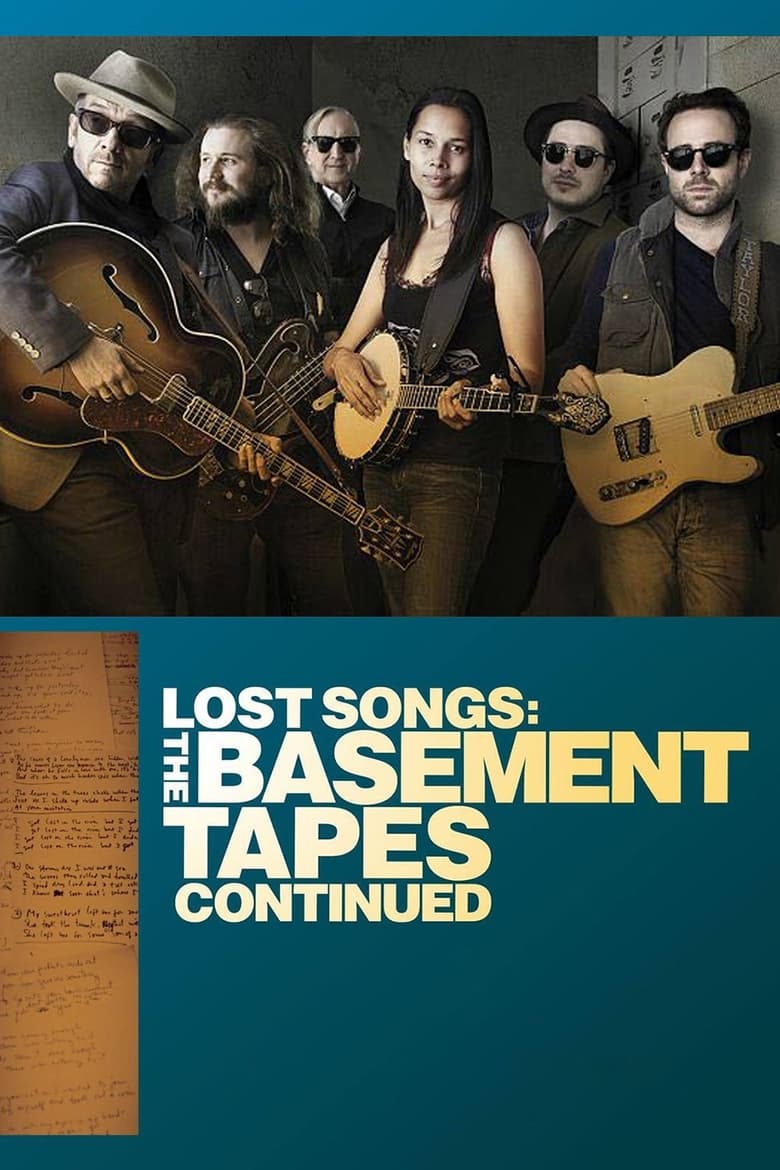
A documentary that goes behind the scenes with some of today's most talented songwriters as they make new music based on long-lost, newly discovered lyrics from Bob Dylan's legendary Basement Tapes sessions. T Bone Burnett brings Elvis Costello, Rhiannon Giddens, Taylor Goldsmith, Jim James and Marcus Mumford together in a dramatic two-week studio session in the basement of Capitol Records. Features an exclusive interview with Bob Dylan.
Overall Score
Limited
Category Breakdown
LGBTQ+ Representation
The film lacks explicit depictions of LGBTQ+ characters or narratives. The focus remains strictly on the technical and historical aspects of the songwriting process.
Gender Representation
While the ensemble is male-dominated, Rhiannon Giddens provides a nuanced perspective. Her presence as a primary creative driver challenges the historically male-centric folk canon.
Racial & Ethnic Diversity
The inclusion of Rhiannon Giddens significantly boosts the film's profile. Her work in reclaiming Black musical history disrupts the racial homogeneity often expected in this genre.
Religious & Cultural Diversity
The documentary prioritizes a secular, artistic exploration of legacy. It favors organic, spontaneous expression over rigid historical dogma or institutionalized musical standards.
Disability Representation
There is no evidence of characters or subjects representing visible or invisible disabilities within the film's context.
Strengths
Areas for Improvement
AI Analysis
The documentary functions as a specialized musical study rather than a broad social commentary. Its primary value lies in how it subverts genre-specific norms through its casting. The inclusion of Rhiannon Giddens is the film's most significant achievement. She integrates diverse cultural histories into a musical narrative that is traditionally white-centric. While the film does not actively engage with systemic social hierarchies, its emphasis on collaborative, non-hierarchical creativity offers a gentle disruption of the traditional 'great man' theory of history.
2012
2001
2009
2004
2012

2017
1999

2026

2000

2017
2002
2008
No reviews yet. Be the first to share your thoughts on this movie!
Use the rating form above to leave a star rating and optional review.