The Great Give-Away
1993
No user ratings available yet
Representation score: 3.9 out of 10
Representation Score
Fair
2012
Director
Olaf Lubaszenko
Runtime
101 minutes
Average Rating
No ratings yetNew Showbiz Analysis
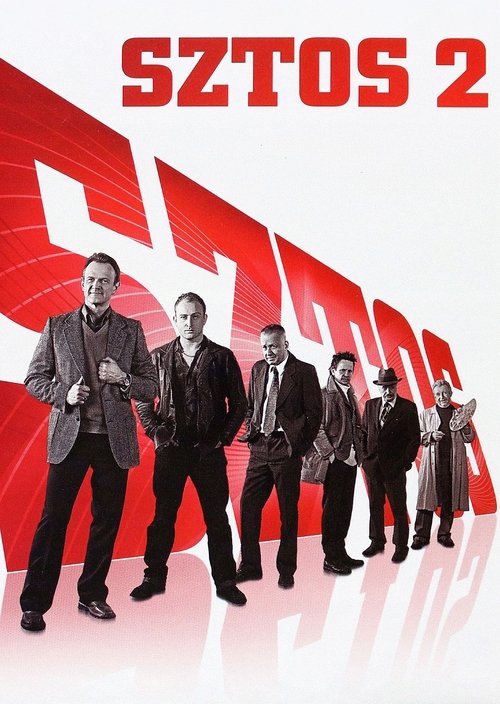
Polish Roulette (Sztos 2) functions primarily as a period piece that explores systemic instability during Poland's martial law era. Its strength lies in its cultural critique, using the friction between criminals and state institutions to challenge the legitimacy of authority. However, the film lacks breadth in other demographic areas. The narrative is heavily centered on male protagonists and lacks representation for LGBTQ+ identities or diverse racial backgrounds, reflecting the localized historical setting. Ultimately, the film prioritizes political and class-based tension over multi-layered diversity, making it a specialized historical drama rather than a diverse ensemble piece.
Category Breakdown
The film focuses on socio-political struggles and high-stakes criminal maneuvering. There are no LGBTQ+ characters or narratives addressing the assumption that everyone is straight or cisgender.
The story centers on a male-dominated conflict involving tricksters and state actors. Female characters play minor roles and have little control over what happens to them.
Set in 1981 Poland, the film appears ethnically homogeneous. It focuses on internal political and class divisions rather than racial diversity.
The narrative offers a complex critique of state authority and institutional corruption. It portrays the secret service and martial law as oppressive forces.
The available information provides no details regarding the portrayal of characters with visible or invisible disabilities.
Present on Screen
Limited or Absent
Official Synopsis
As Poland is placed under martial law in 1981, two confidence tricksters try to evade both the police and the army. They become embroiled in a web of schemes engineered by the secret service, fellow criminals and the democratic resistance.
1993

1981

2021
2000
2006
1990
1989
2013
No reviews yet. Be the first to share your thoughts on this movie!
Use the rating form above to leave a star rating and optional review.