Polish Roulette
2012
No user ratings available yet
Diversity score: 4.8 out of 10
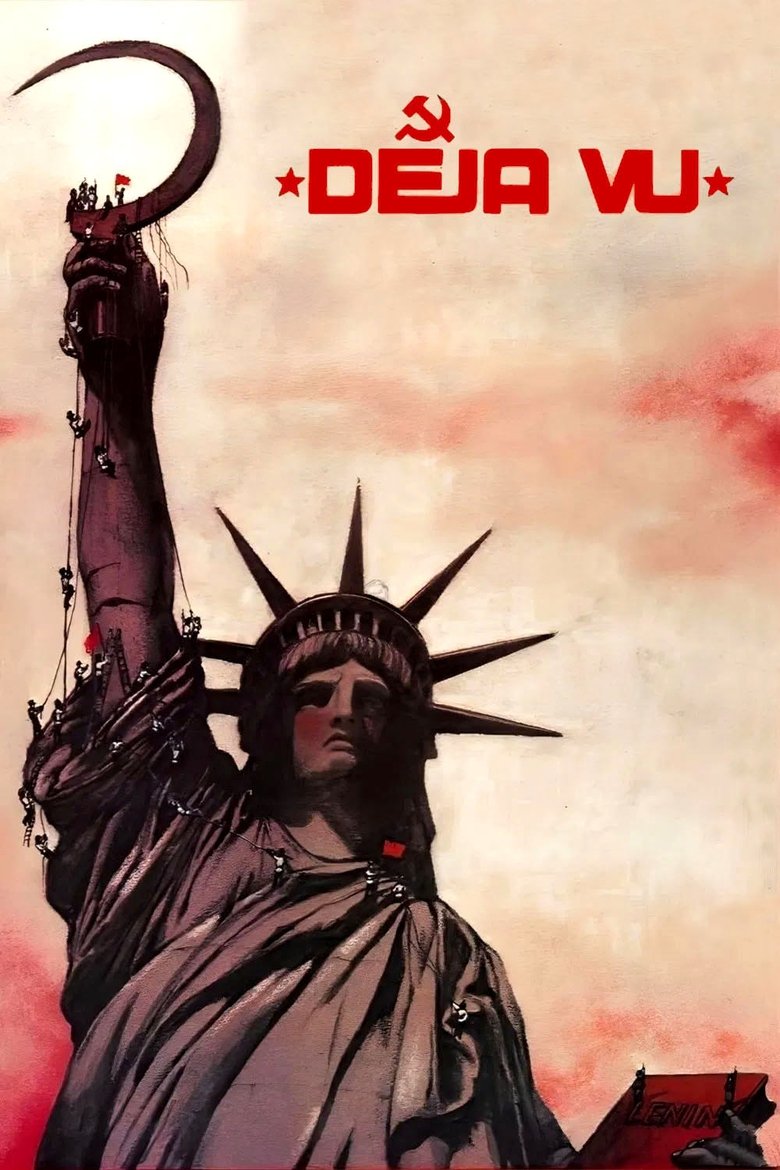
1990
Director
Juliusz Machulski
Runtime
108 minutes
Average Rating
No ratings yetSynopsis
After Mick Nich, a 1930's Chicago gangster, sells out his own gang to the police, the Mafia hires the best hitman in town, Johnny Pollack, to follow him to Odessa, USSR. Upon arrival, Pollack loses his memory and goes on various adventures with a group of thick-headed Odessa locals who think he is a harmless butterfly collector.
Overall Score
Limited
Category Breakdown
LGBTQ+ Representation
The film lacks identifiable LGBTQ+ characters or narratives. The social landscape remains centered on traditional interpersonal dynamics consistent with the 1930s period setting.
Gender Representation
Female characters primarily serve as social fixtures within high-society environments. The narrative focuses on male protagonists, offering little subversion of traditional gender hierarchies or female agency.
Racial & Ethnic Diversity
The cast is predominantly white and ethnically homogeneous. The film reflects the demographic reality of its 1930s European setting without intentional disruption of racial norms.
Religious & Cultural Diversity
The heist plot critiques the rigidity of aristocratic social hierarchies. By centering on outsiders, the story deconstructs class-based authority and the perceived decadence of the elite.
Disability Representation
There is no significant or intentional representation of physical or neurodivergent disabilities. Character arcs do not utilize disability as a central thematic component.
Strengths
Areas for Improvement
AI Analysis
Déjà vu is a period-specific crime comedy that prioritizes genre tropes and historical accuracy over modern intersectional representation. It functions as a sophisticated caper that explores the friction between different social strata. While the film offers a moderate critique of class-based hierarchies, it remains largely traditional in its depictions of gender, race, and sexual orientation. The narrative focuses on the agency of male 'gentleman thieves' navigating a rigid social order. Ultimately, the film reflects the demographic and social norms of its 1930s setting, providing more insight into class subversion than into diverse identity representation.
No reviews yet. Be the first to share your thoughts on this movie!
Use the rating form above to leave a star rating and optional review.