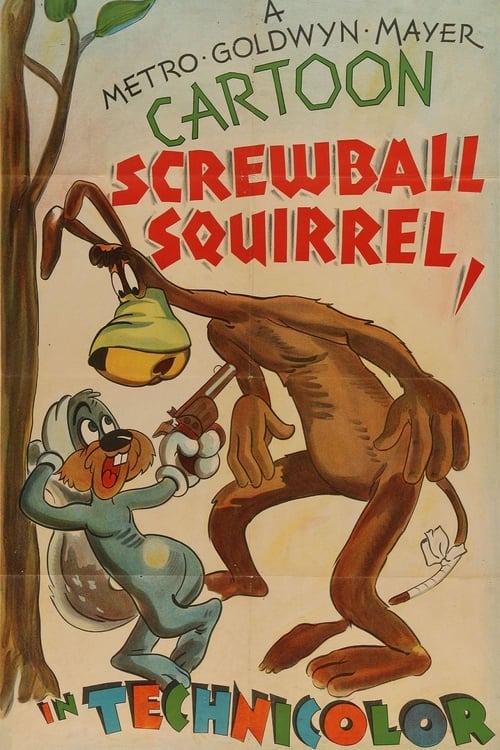
Screwball Squirrel
1944
No user ratings available yet
Representation score: 0.3 out of 10
Representation Score
Minimal
1940
Director
Tex Avery
Runtime
8 minutes
Average Rating
No ratings yetNew Showbiz Analysis
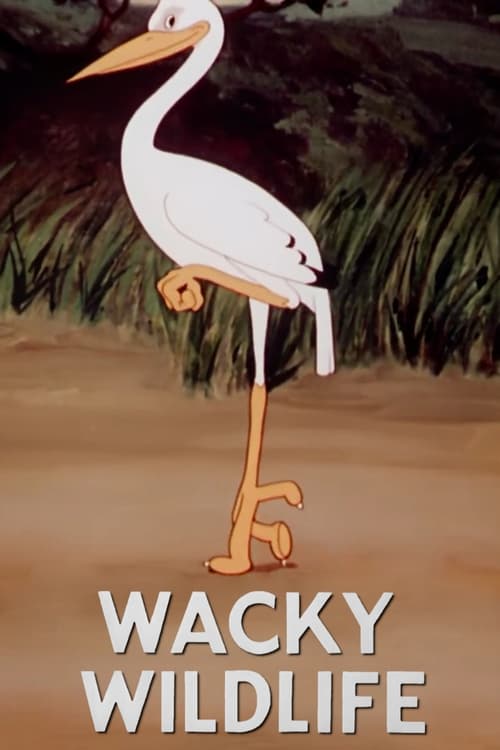
Tex Avery’s *Wacky Wildlife* prioritizes kinetic energy and surrealist humor over social commentary. The non-linear vignettes focus on disrupting physical laws rather than exploring identity-based hierarchies. Because the subjects are anthropomorphized animals, the film functions within a vacuum of human social dynamics. The narrative structure is driven by the mechanics of the gag rather than character depth. Ultimately, the work reflects the homogeneous comedic standards of 1940s animation, offering no engagement with the overlapping aspects of identity or the disruption of traditional social structures.
Category Breakdown
The film does not depict any LGBTQ+ identities or same-sex relationships. Character interactions are limited to brief, instinctual pairings that follow traditional heterosexual norms.
The characters are defined by traditional gender roles. A dainty deer briefly subverts feminine grace through rude behavior, but it remains a simple comedic gag.
The cast consists entirely of anthropomorphized animals. While it avoids explicit human caricatures, the presence of an American flag suggests a singular, mid-century nationalist identity.
The film operates within a framework of pure slapstick anarchy. It does not engage with religious, political, or systemic themes beyond situational comedy.
No characters are depicted with visible or invisible disabilities. The physical distortions used are stylistic exaggerations of physics rather than representations of impairment.
Present on Screen
Limited or Absent
Official Synopsis
A series of typical Avery spot gags set around wild animals. A dainty deer drinks very loudly and rudely from a lake. A pack rat swaps an egg and an acorn, then back again ("monotonous, isn't it?"). A flock of ducks lands; a hunter fires; all fly away, except one with an American flag on its side. A termite fells a huge tree. A cowboy rides across the plains well, no; his horse is just slapping itself with the front hooves. A coyote calls to its mate: "Hey, Mabel, come on out!" A camel contradicts the narrator, saying he's really thirsty. A wild dog: because of the lumbermen.
1944
1940
1951
1941
1941
1947
1944
1940
No reviews yet. Be the first to share your thoughts on this movie!
Use the rating form above to leave a star rating and optional review.