Anne
2018
No user ratings available yet
Representation score: 4.0 out of 10
Representation Score
Good
2015
Director
Ruby LaRocca, Rich Mallery
Runtime
86 minutes
Average Rating
No ratings yetNew Showbiz Analysis
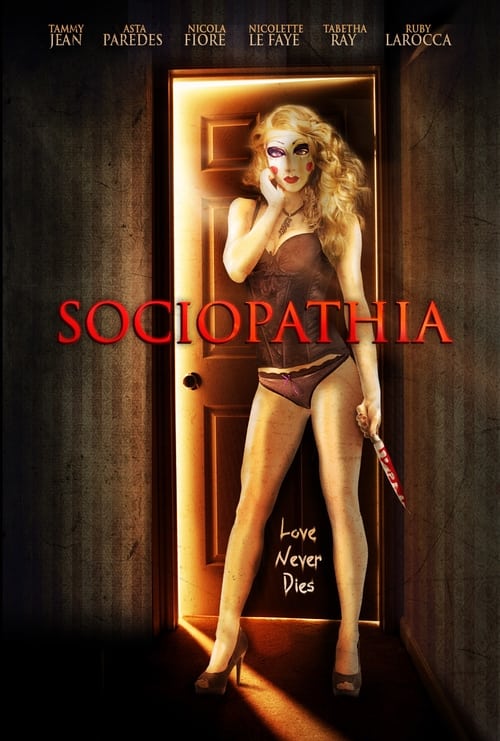
Sociopathia is a character-driven psychological horror that succeeds in subverting traditional social and moral hierarchies. By centering the narrative on the intense bond between Mara and Kat, the film prioritizes queer interpersonal dynamics over traditional relationships. The film also offers a complex look at female empowerment. Mara is depicted as a powerful, albeit destructive, figure who operates with high autonomy, effectively avoiding the 'damsel in distress' archetype common in the genre. However, the film's impact is limited by a lack of information regarding racial diversity. Additionally, while the exploration of mental health provides narrative tension, it leans heavily on psychosis as a primary driver for the horror elements.
Category Breakdown
The story centers on an intense, escalating relationship between two women, Mara and Kat. Their connection serves as the primary driver of the plot, prioritizing queer intimacy over traditional heterosexual relationships.
The film disrupts conventional hierarchies by centering female empowerment through psychological complexity. Mara is portrayed with significant autonomy and intellect, avoiding traditional submissive or 'damsel in distress' clichés.
There is insufficient information regarding the racial or ethnic composition of the cast. No specific details regarding racial dynamics or casting choices are available.
The narrative challenges traditional moral absolutes by centering a protagonist driven by extreme emotional instability. It critiques conventional societal expectations and the stability of social norms.
Themes of neurodivergence and mental health are explored through Mara's psychosis. While providing character depth, the film risks using mental instability primarily as a central plot device.
Present on Screen
Limited or Absent
Official Synopsis
Introverted and peculiar, Mara spends her days fabricating props for movies. But her reclusive persona conceals an internal wrath. Terrified of being alone, Mara refuses to let her lovers leave, sadistically murdering them and keeping their corpses as living dolls. When she's hired by Kat, a fledgling producer, the two instantly hit it off. As their relationship grows more intense, Mara begins to lose her already fragile grip on reality. When her dolls begin demanding all of her attention, and Kat threatens to break her heart, Mara spirals into psychosis, leaving her no choice but to kill again.
2018
1988
2020
2005
2021
2012
2019
2009
No reviews yet. Be the first to share your thoughts on this movie!
Use the rating form above to leave a star rating and optional review.