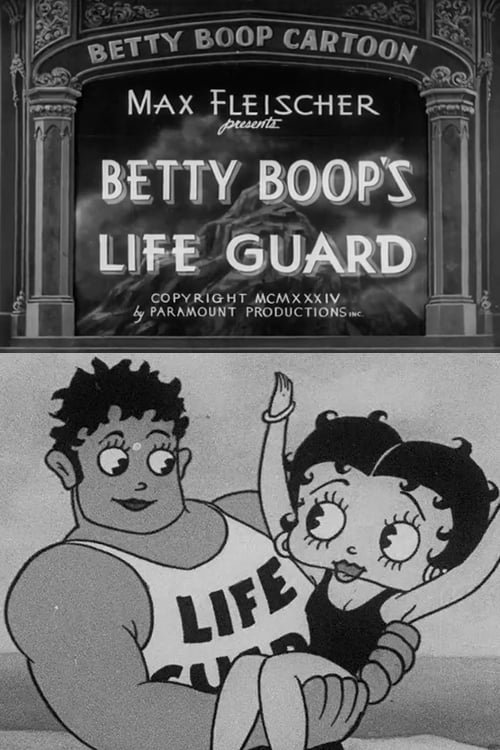
Betty Boop's Life Guard
1934
No user ratings available yet
Representation score: 1.7 out of 10
Representation Score
Minimal
1941
ApprovedDirector
Dave Fleischer
Runtime
7 minutes
Average Rating
No ratings yetNew Showbiz Analysis
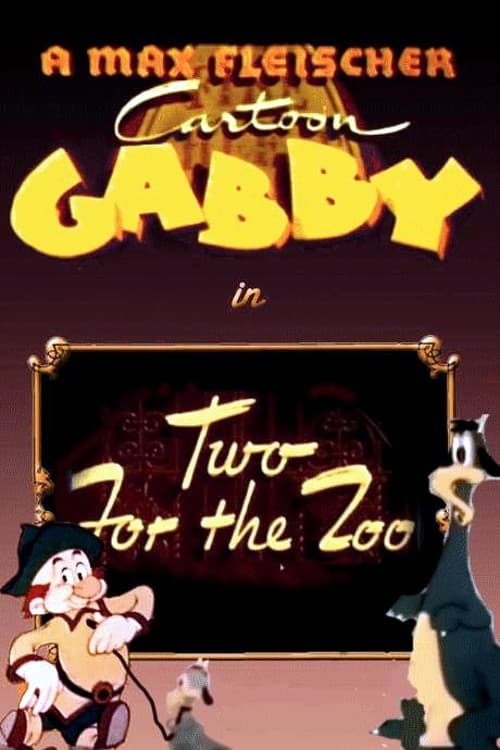
Two for the Zoo is a product of the Golden Age of American animation, prioritizing kinetic slapstick over social commentary. The narrative centers on Gabby's responsibility toward a creature called a Kango, following established comedic clichés of the era. The film lacks complexity in its portrayal of diverse identities, reflecting the standard production values of 1941. It relies on traditional character-driven comedy rather than challenging social or cultural norms. Ultimately, the short serves as a typical example of animation from the era, focusing on physical gags and anthropomorphism.
Category Breakdown
The film does not include any characters with non-binary or transgender identities. The story focuses on the relationship between a human character and a creature.
Gabby is a female character placed in a caretaking role, which aligns with traditional mid-century archetypes where women often have reactive or domestic roles.
The work likely adheres to 1941 casting standards. There is no indication of a diverse cast or the use of non-human species as ethnic metaphors.
The premise suggests a standard, morality-neutral comedic setup. It operates within a traditional framework of mid-century entertainment without delving into complex cultural themes.
There is no information regarding the depiction of physical or neurodivergent traits in the characters.
Present on Screen
Limited or Absent
Official Synopsis
Gabby is forced to take care of a strange animal called a Kango.
1934
1941
1933
1939
1942
1942
1937
1933
No reviews yet. Be the first to share your thoughts on this movie!
Use the rating form above to leave a star rating and optional review.