
Manitou's Canoe
2025
No user ratings available yet
Representation score: 5.0 out of 10
Representation Score
Fair
2001
Director
Michael Herbig
Runtime
85 minutes
Average Rating
No ratings yetNew Showbiz Analysis
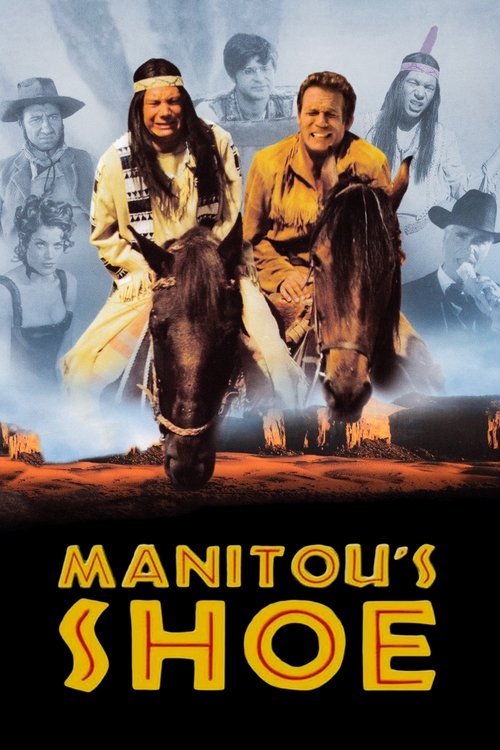
Manitou's Shoe serves as a satirical critique of the Western genre. By placing Indigenous characters in positions of economic and narrative power, it shifts the focus from historical tragedy to comedic empowerment. However, the film still adheres to traditional structures. Gender dynamics remain centered on male-driven plots, and there is no representation of LGBTQ+ identities. The film occupies a transitional space, subverting masculine stereotypes and racial clichés through humor, even if it doesn't fully embrace a modern, diverse society.
Category Breakdown
The film focuses on traditional romantic relationships and tribal interactions. It does not show non-traditional gender identities or same-sex relationships in the main storylines.
Santa Maria's character challenges traditional power structures through her financial influence and betrayal. However, the story mainly centers around male characters, with women often serving as plot devices.
The film places Apache and Shoshone characters at the forefront in a comedic setting, challenging the idea of disappearing Native Americans. Indigenous characters are shown making their own economic decisions, shifting the focus away from traditional white dominance.
The story questions strict Western justice by emphasizing tribal business and personal connections. It favors flexible moral choices and comedic chaos over a rigid Western code.
There are no significant portrayals of physical or mental disabilities that shape the narrative or define key characters.
Present on Screen
Limited or Absent
Official Synopsis
Abahachi, Chief of the Apache Indians, and his blood brother Ranger maintain peace and justice in the Wild West. One day, Abahachi needs to take up a credit from the Shoshone Indians to finance his tribe's new saloon. Unfortunately Santa Maria, who sold the saloon, betrays Abahachi, takes the money and leaves. Soon, the Shoshones are on the warpath to get their money back, and Abahachi is forced to organize it quickly.
2025

1968
1991
1972
2004
1975
1993
1949
No reviews yet. Be the first to share your thoughts on this movie!
Use the rating form above to leave a star rating and optional review.