Manitou's Shoe
2001
No user ratings available yet
Representation score: 4.3 out of 10
Representation Score
Minimal
1972
PGDirector
Stuart Rosenberg
Runtime
102 minutes
Average Rating
No ratings yetNew Showbiz Analysis
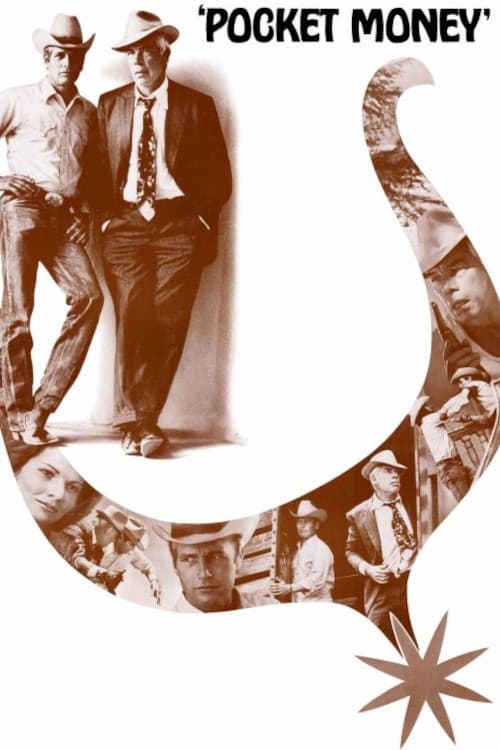
Pocket Money is a traditional Western comedy that centers on individuals struggling against economic hardship. The narrative highlights the conflict between honest protagonists and corrupt institutions, such as a dishonest cattle dealer. While the film touches on themes of morality and systemic corruption, it stays within established genre frameworks. It does not significantly challenge social hierarchies or prioritize diverse representation. The film reflects the typical cinematic landscape of the early 1970s, focusing on character-driven comedy rather than sociopolitical issues.
Category Breakdown
The film adheres to traditional structures that assume everyone is straight and cisgender. There is no depiction of non-binary identities or same-sex relationships.
The story revolves around a male-dominated duo, emphasizing traditional masculine-driven adventure. It does not showcase women taking active roles in driving the narrative.
The plot involves frontier lawlessness, which can include diverse roles. However, there is no clear indication of a non-white majority cast.
The film functions as a morality tale about debt and honesty, critiquing economic corruption. However, it does not deeply explore systemic issues or anti-capitalist themes.
There is no information available regarding the inclusion of characters with physical or neurodivergent traits.
Present on Screen
Limited or Absent
Official Synopsis
Broke and in debt, an otherwise honest cowboy and his buddy get mixed up in some shady dealings with a crooked cattle dealer.
2001

1968
1975
1979
2009
1965
1940
1975
No reviews yet. Be the first to share your thoughts on this movie!
Use the rating form above to leave a star rating and optional review.