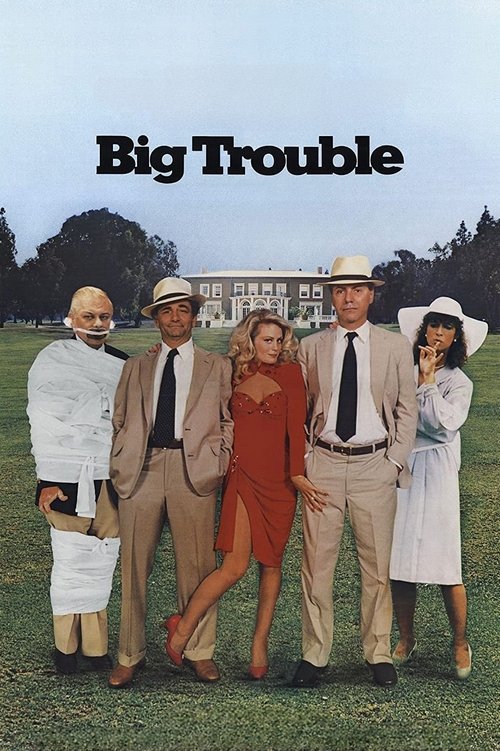
Big Trouble
1986
No user ratings available yet
Diversity score: 3.1 out of 10
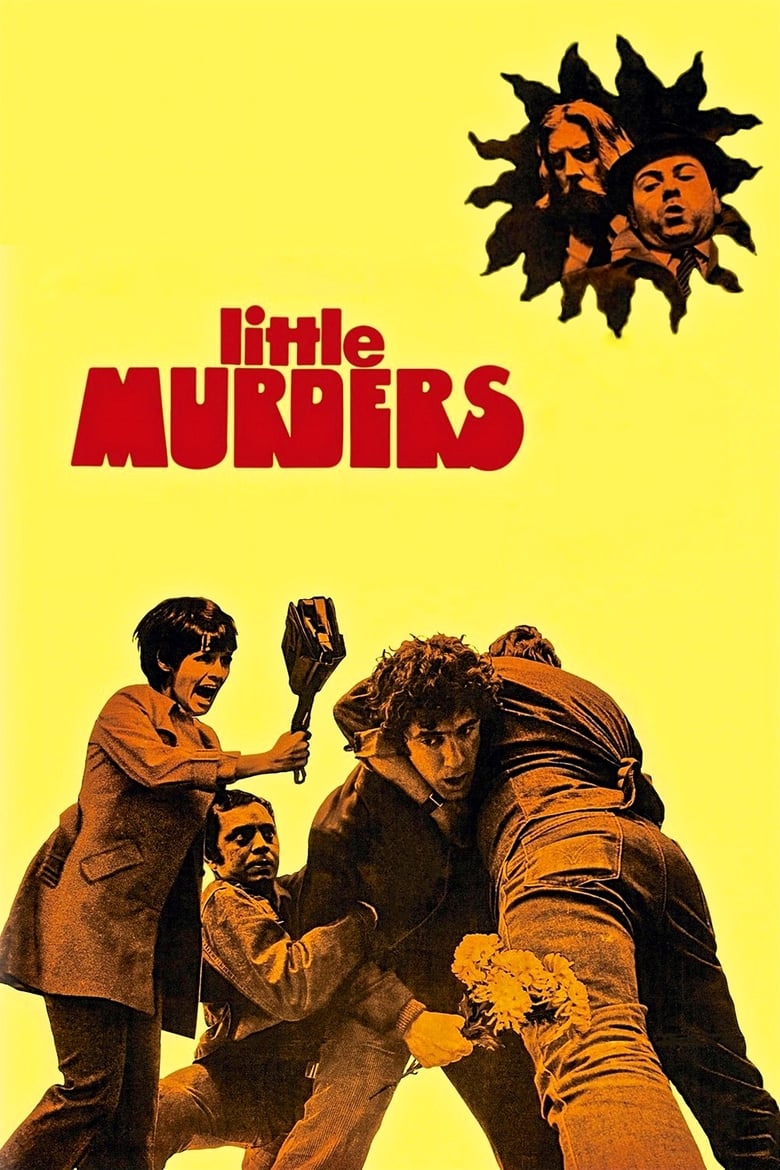
1971
PGDirector
Alan Arkin
Runtime
108 minutes
Average Rating
No ratings yetSynopsis
A young nihilistic New Yorker copes with pervasive urban violence, obscene phone calls, rusty water pipes, electrical blackouts, paranoia, and ethnic-racial conflict during a typical summer of the 1970s.
Overall Score
Fair
Category Breakdown
LGBTQ+ Representation
The film lacks discernible LGBTQ+ characters or explorations of non-cisnormative identities. The narrative focuses strictly on the protagonist's alienation from a dysfunctional, heteronormative social fabric.
Gender Representation
Female characters are portrayed as part of a landscape of domestic instability and communicative failure. The film avoids traditional tropes by presenting a shared sense of existential impotence across gender lines.
Racial & Ethnic Diversity
The cast is predominantly white, reflecting a specific urban milieu. While ethnic-racial conflict is a thematic element, these tensions serve as atmospheric markers of decay rather than providing high-agency roles.
Religious & Cultural Diversity
The film excels in its critique of Western institutional stability and social cohesion. It frames the urban environment as a site of psychological cruelty, challenging the notion of the civilized city.
Disability Representation
Themes of mental health and paranoia are utilized as tools of absurdist drama. The portrayal focuses on psychological breakdown as a response to external stimuli rather than nuanced neurodivergent lived experience.
Strengths
Areas for Improvement
AI Analysis
Little Murders is an intellectually dense work that prioritizes the deconstruction of social norms over demographic inclusivity. It functions as a postmodern critique of the modern condition, using an urban landscape to highlight systemic alienation. The film's strength lies in its sophisticated narrative architecture and its ability to challenge Western institutional stability. It successfully uses the setting to critique the breakdown of the social contract. However, the film lacks explicit representation across several key identity categories. Its focus on a homogeneous, middle-class urban experience results in low scores for racial, LGBTQ+, and disability representation.
No reviews yet. Be the first to share your thoughts on this movie!
Use the rating form above to leave a star rating and optional review.