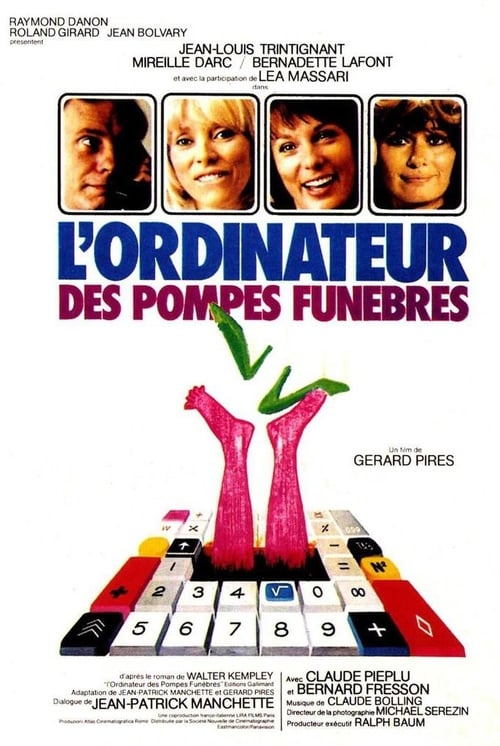
The Undertaker Parlor Computer
1976
No user ratings available yet
Diversity score: 2.2 out of 10

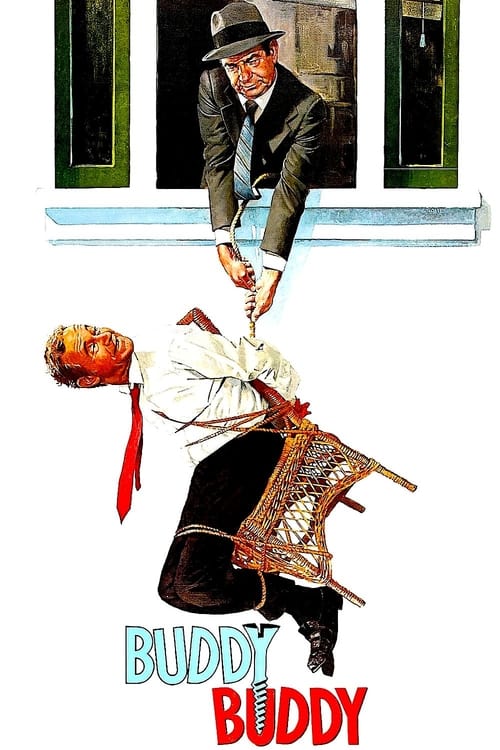
1986
RDirector
John Cassavetes
Runtime
93 minutes
Average Rating
No ratings yetSynopsis
Leonard Hoffman is an insurance salesman struggling to make ends meet. The fact that he has triplet sons who all want to go to Yale isn't making things any easier. Blanche Rickey is also worried about money; her husband is a millionaire with a weak heart, and she worries that he'll blow through all his cash before he finally dies. When Blanche meets Leonard, she devises a murderous plan that she claims will fix both their problems.
Overall Score
Limited
Category Breakdown
LGBTQ+ Representation
The narrative focuses exclusively on heteronormative romantic and flirtatious dynamics. There are no queer narratives or non-cisnormative gender identities present in the film.
Gender Representation
The female lead, Rosie, subverts noir tropes by acting as a proactive driver of the plot. However, conventional gendered banter between the leads keeps the score moderate.
Racial & Ethnic Diversity
The cast is predominantly white, reflecting the stylistic choices of a 1940s Los Angeles setting. The film lacks intersectional casting or diverse ethnic ensembles.
Religious & Cultural Diversity
The film prioritizes stylized criminality and gentleman thief archetypes over social critique. It functions as a self-aware homage to noir traditions without a cohesive ideological stance.
Disability Representation
No characters with visible or invisible disabilities are portrayed with agency. The narrative does not engage with neurodivergence or physical disability as a thematic component.
Strengths
Areas for Improvement
AI Analysis
Big Trouble operates primarily as a genre-focused exercise, leaning heavily into the stylistic traditions of 1940s noir. While it avoids the most regressive gender tropes by granting the female lead significant agency, it remains a largely homogeneous production. The film lacks intersectional complexity, offering almost no representation for LGBTQ+ individuals, diverse racial groups, or people with disabilities. It adheres strictly to the demographic norms of its period-inspired setting. Ultimately, the film prioritizes postmodern genre-play and comedic con-artist archetypes over any meaningful social or systemic exploration, resulting in a traditionalist approach to representation.
1976

1985

2006

1996
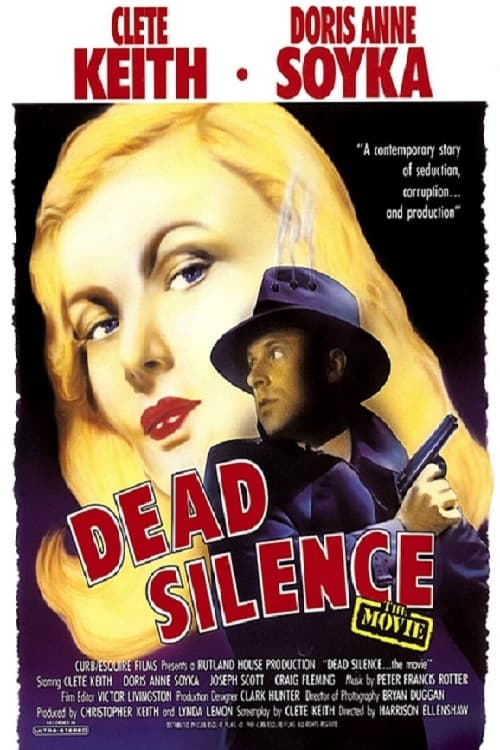
1991
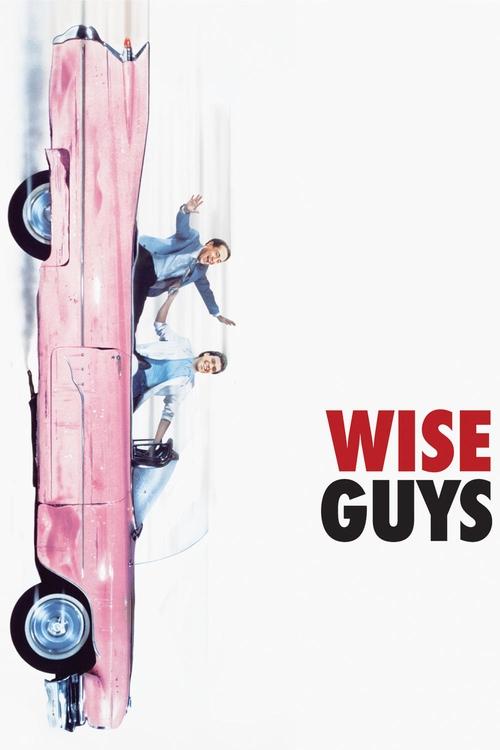
1986
1981
1977
1998
2017

1958
1966
No reviews yet. Be the first to share your thoughts on this movie!
Use the rating form above to leave a star rating and optional review.