
Vir Das: For India
2020
No user ratings available yet
Representation score: 9.0 out of 10
Representation Score
Limited
2006
TV-GDirector
Stephanie Argy, Alec Boehm
Runtime
11 minutes
Average Rating
No ratings yetNew Showbiz Analysis
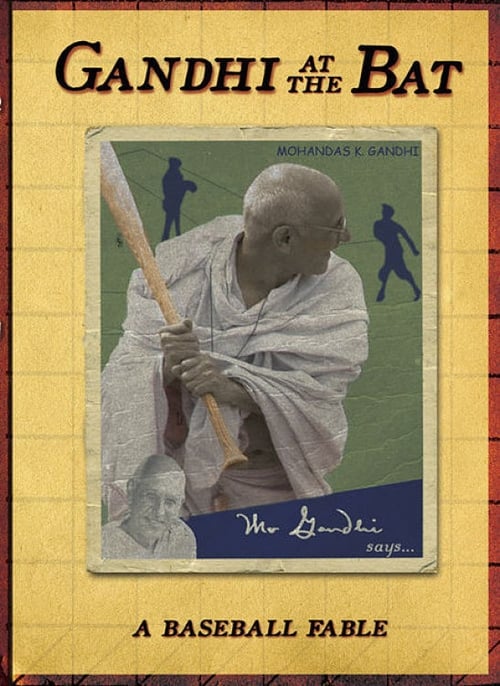
Gandhi at the Bat is a comedic short using recovered newsreel footage from 1933. Since it relies on historical documentation rather than scripted characters, its diversity is defined by the inherent presence of its subject rather than intentional casting. The film stands out in providing strong racial visibility by placing an Indian leader at the center of a quintessential American institution. This juxtaposition disrupts traditional Western-centric historical narratives. However, the archival nature of the medium limits representation in other areas. The lack of contemporary narrative depth and the constraints of the 1930s setting prevent a deeper exploration of gender, disability, or LGBTQ+ identities.
Category Breakdown
The footage does not include any LGBTQ+ characters or non-cisgender identities. Given its status as a historical newsreel, it doesn't have the structure to explore queer identities.
Gender representation is constrained by the historical context of 1933. While the main character is male, the footage reflects the social norms of the time without challenging traditional hierarchies.
The film focuses on Mohandas K. Gandhi, a prominent figure of color. His appearance in Yankee Stadium challenges Western homogeneity and offers significant visibility for non-white figures.
The work highlights the intersection of Eastern leadership and Western institutions. It serves as a historical artifact introducing themes of systemic critique through its subject matter.
There is no documented evidence of the portrayal of physical or neurodivergent disabilities. The archival material does not address these specific identities.
Present on Screen
Limited or Absent
Official Synopsis
Recovered newsreel footage of Mohandas K. Gandhi's 1933 visit to Yankee Stadium.
2020

2003

1999

1938

2014

2006
1938

1991
No reviews yet. Be the first to share your thoughts on this movie!
Use the rating form above to leave a star rating and optional review.