The Call
2020
No user ratings available yet
Diversity score: 3.8 out of 10
2018
Director
Chris von Hoffmann
Runtime
89 minutes
Average Rating
No ratings yetSynopsis
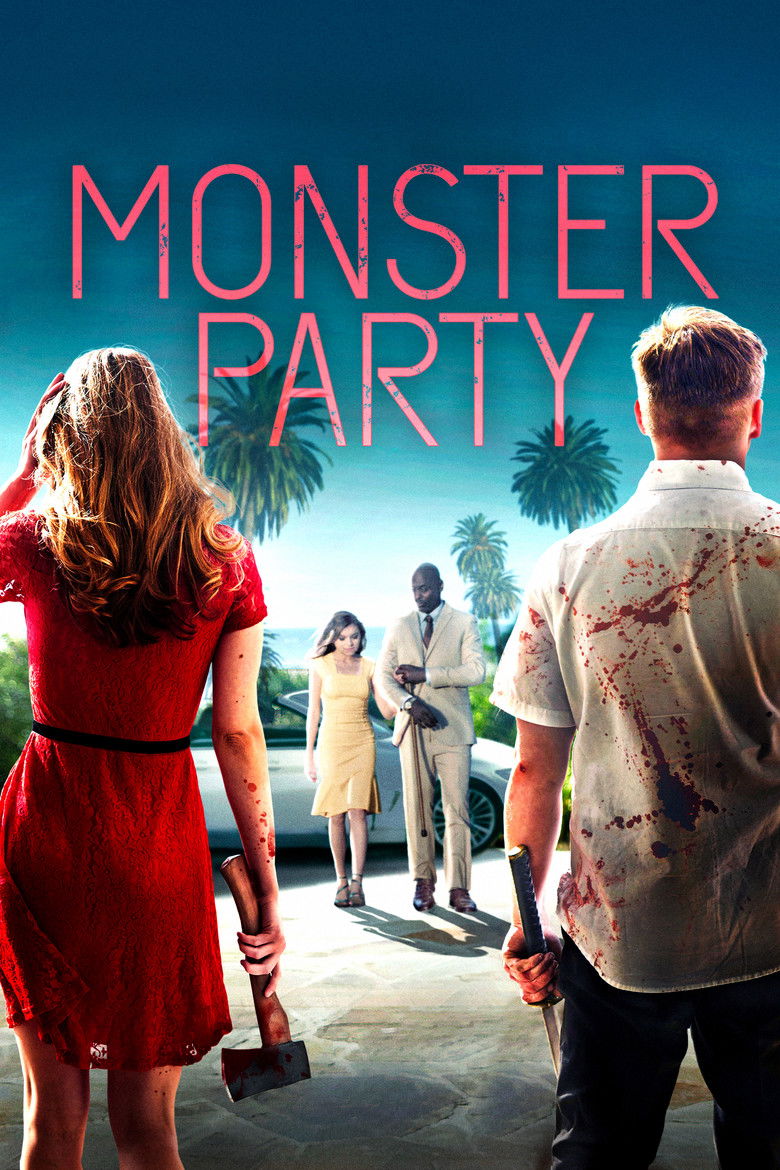
Three teenage thieves infiltrate a mansion dinner party, unaware that it is secretly being hosted by a serial killer cult for the social elite.
Overall Score
Limited
Category Breakdown
LGBTQ+ Representation
The film lacks central narratives regarding non-cisnormative identities or same-sex intimacy. Character arcs prioritize survivalist tropes over the exploration of queer identity.
Gender Representation
Female characters primarily utilize the 'final girl' trope, with agency tied to survival. There is little effort to subvert traditional masculinity or gender roles.
Racial & Ethnic Diversity
The production features a diverse ensemble of young adults, avoiding a strictly Anglo-centric monopoly. However, these portrayals remain tied to functional roles within the slasher framework.
Religious & Cultural Diversity
The film critiques Western institutions by framing the social elite as a murderous cult. This highlights how wealth and status can mask systemic depravity.
Disability Representation
There is no evidence of characters with visible or invisible disabilities. The narrative focuses on the physical capabilities required for survival horror.
Strengths
Areas for Improvement
AI Analysis
Monster Party operates within the established conventions of the slasher genre, which limits its engagement with complex identity-specific narratives. The film relies heavily on traditional archetypes, particularly regarding gender and survivalist tropes. While the casting avoids a homogeneous approach by including a diverse ensemble, the characters function primarily as tools for the plot rather than explorations of intersectional identity. The narrative depth is concentrated more on class dynamics than on individual representation. The film's strongest thematic contribution is its cynical view of high-society structures. By portraying the elite as a corrupt cult, it offers a critique of hyper-capitalist hierarchies and the morality of the upper class.
2020
2017
2018
2019
2018
2019
2016
2009
2016
1998
2015
2014
No reviews yet. Be the first to share your thoughts on this movie!
Use the rating form above to leave a star rating and optional review.