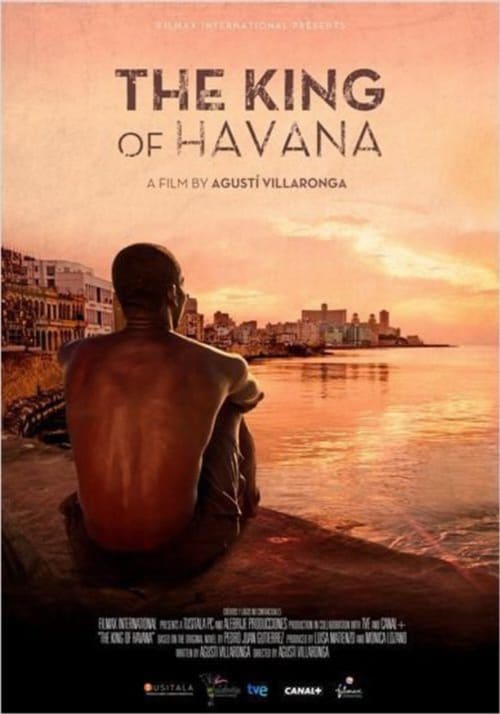
The King of Havana
2015
No user ratings available yet
Representation score: 9.0 out of 10

Representation Score
Excellent
2016
RDirector
Fernando Pérez
Runtime
92 minutes
Average Rating
No ratings yetNew Showbiz Analysis
Last Days in Havana succeeds by making the intersection of identity foundational to its structure rather than a secondary concern. By weaving together sexual orientation, racial authenticity, and the psychological toll of political shifts, the film creates a deeply textured character study. The portrayal of Diego is particularly effective, as his HIV status and sexuality are treated with dignity and a strong sense of self. This avoids reductive stereotypes and provides a nuanced look at life under systemic pressure. While the film excels in racial and cultural authenticity, the gender balance is less equitable. The narrative remains largely centered on the male experience, reflecting the patriarchal social constraints of the era depicted.
Category Breakdown
The film centers on Diego, a gay man whose identity is crucial to his role in the story. It explores how his sexuality intersects with his HIV status, presenting a compassionate and resilient character.
The narrative focuses heavily on male protagonists within a revolutionary setting dominated by men. While it examines how social expectations shape romantic roles, the story remains primarily centered on the male experience.
Havana’s diverse population is authentically depicted through a predominantly Afro-Cuban and mixed-race cast. This casting avoids Western homogenization and emphasizes a localized, post-colonial identity.
The story critiques how state structures and ideological mandates affect individuals. It portrays the tension between personal beliefs and collective duties within the complex context of the revolutionary era.
Diego provides a dignified portrayal of living with HIV, avoiding clichés and focusing on the practical and emotional realities of managing a life-altering condition.
Present on Screen
Limited or Absent
Official Synopsis
The story of a friendship in a city on the verge of substantial change. Miguel dreams of settling in New York while he waits for a visa that never seems to arrive, and Diego, a HIV-positive homosexual man, puts his dreams and cheerfulness to good use in his struggle to carry on enjoying every single day of his life from a rickety old bed in his small bedroom.
2015

2013

2016
2015

2015

2012

2012

2013
No reviews yet. Be the first to share your thoughts on this movie!
Use the rating form above to leave a star rating and optional review.