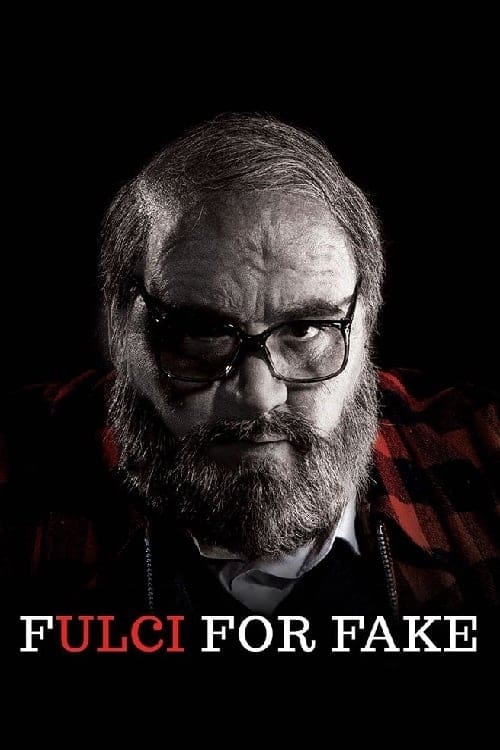
Fulci for Fake
2019
No user ratings available yet
Representation score: 3.5 out of 10
Representation Score
Limited
2021
Director
Antonietta De Lillo
Runtime
81 minutes
Average Rating
No ratings yetNew Showbiz Analysis
This documentary serves as a piece of cinematic preservation rather than a narrative designed to explore identity politics. It centers on an archival interview with Lucio Fulci, which naturally limits the scope of social representation. The film's structure is constrained by its biographical format. While it features female leadership in the creative process, the subject matter remains focused on a singular male figurehead of Italian cinema. Ultimately, the work lacks the intentionality required to drive progressive narrative disruption or characters who reflect more than one aspect of diversity, as its primary goal is historical and academic.
Category Breakdown
The documentary focuses on a biographical interview about cinematic philosophy. It does not include explicit LGBTQ+ character stories or critiques of the assumption that everyone is straight.
Female director Antonietta De Lillo leads the project professionally. However, the content centers on the legacy and biography of a male auteur.
The film is set in a specific Italian context. The cast and creative team reflect a homogeneous Mediterranean population without broader racial diversity.
The work celebrates Western genre filmmaking. It does not promote anti-Western or anti-religious narratives through its scholarship.
There is no evidence of the portrayal of physical or neurodivergent disabilities. The film focuses on intellectual and professional discourse.
Present on Screen
Limited or Absent
Official Synopsis
Rome, Italy, June 1993. Antonietta De Lillo and Marcello Garofalo interview legendary Italian film director Lucio Fulci (1927-96).
2019
1965
1991
2019
1985
2016
2019
2001
No reviews yet. Be the first to share your thoughts on this movie!
Use the rating form above to leave a star rating and optional review.