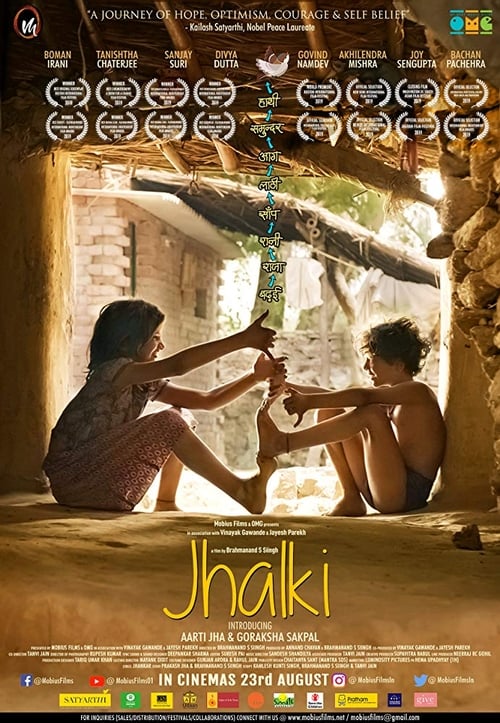
Jhalki
2019
No user ratings available yet
Representation score: 4.9 out of 10
Representation Score
Limited
2009
PGDirector
Gregg Helvey
Runtime
19 minutes
Average Rating
No ratings yetNew Showbiz Analysis
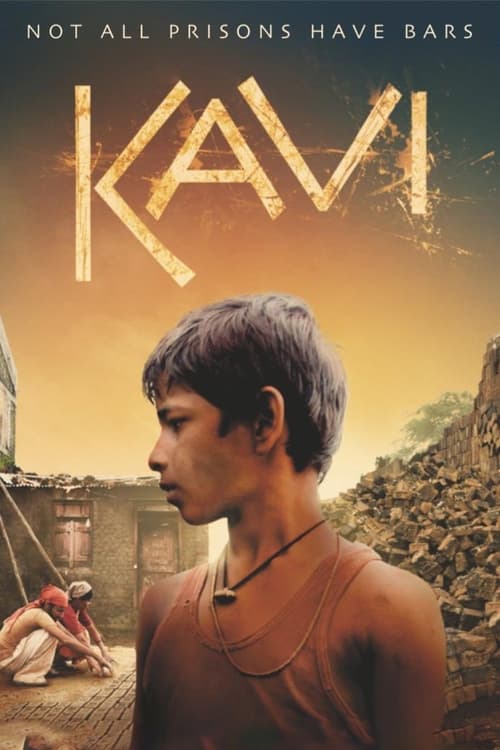
Kavi is a work of social realism that prioritizes themes of class and systemic exploitation. It succeeds by avoiding treating its non-Western subjects as passive observers in their own struggle. The film excels in its cultural authenticity, presenting the protagonist's journey as a direct confrontation with oppressive economic hierarchies. This approach provides a grounded, actively leading look at the realities of bonded labor in India. However, the film's narrow focus on socioeconomic survival means it lacks representation regarding LGBTQ+ identities or disability. The narrative structure is built around class struggle rather than a broad spectrum of identity-based themes.
Category Breakdown
The film does not include any LGBTQ+ characters or themes. The story focuses solely on the socioeconomic struggles of the protagonist.
Gender dynamics are not the main focus of the story. The narrative centers on a child laborer, emphasizing survival over specific gender arcs.
The film offers strong representation of South Asian identities by centering an Indian protagonist. It avoids a Western perspective and allows local voices to shape the story.
The story critiques exploitative labor practices and systemic economic failures. It challenges established power structures by highlighting the struggle for education and freedom from forced labor.
There is no evidence of characters with physical or neurodivergent disabilities within the film's documentation.
Present on Screen
Limited or Absent
Official Synopsis
The story of a young boy who attempts to escape from the brick kiln where he is forced to work as a bonded labor slave in India.
2019
2004
2014

1988

2016
2017
2011

2005
No reviews yet. Be the first to share your thoughts on this movie!
Use the rating form above to leave a star rating and optional review.