Xuxa Abracadabra
2003
No user ratings available yet
Representation score: 4.9 out of 10
Representation Score
Good
2009
Director
Tizuka Yamasaki
Runtime
79 minutes
Average Rating
No ratings yetNew Showbiz Analysis
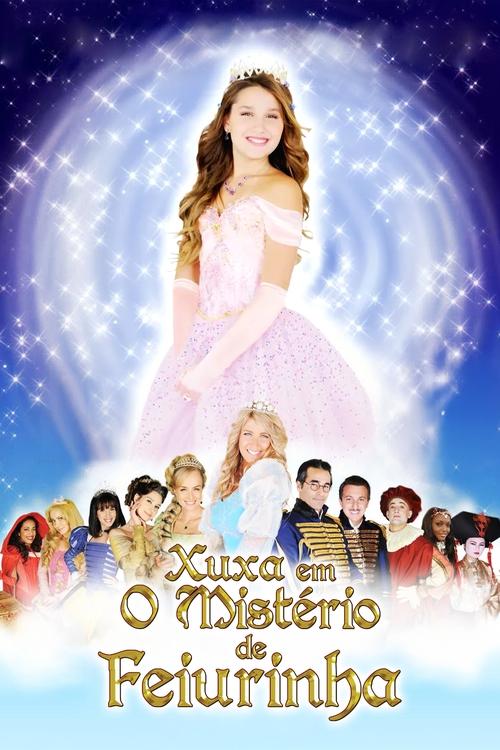
Xuxa and the Mystery of the Little Ugly Princess succeeds in challenging the passive princess cliché by centering a group of female characters who actively fight to reclaim their legacy. This female-led ability to act offers a refreshing dynamic within the fantasy genre. The film's Brazilian roots allow for a more ethnically diverse cast than typical Western fairy tales, providing a localized aesthetic. This helps ground the magical setting in a more realistic, multi-ethnic visual framework. However, the film remains within conventional boundaries. It lacks exploration of multiple aspects of identity or a critique of broader social hierarchies, functioning instead as a traditional moral fable about self-worth and identity.
Category Breakdown
The film adheres to a traditional fairy-tale format focused on a female protagonist. There are no depictions of non-traditional gender identities or critiques of the assumption that everyone is straight.
The story is driven by a group of female characters, including Cinderella and the main princess. These women play a significant role in organizing a quest and reclaiming their own history.
As a Brazilian production, the film features a cast that reflects the region’s multi-ethnic reality. This provides a more localized and inclusive visual palette compared to many Western fantasy adaptations.
The story emphasizes the preservation of folklore and the importance of personal memory. It celebrates cultural storytelling and individual self-esteem.
The theme of a character labeled 'ugly' serves as a metaphor for physical differences. However, it is unclear whether the film provides real control to characters with specific disabilities.
Present on Screen
Limited or Absent
Official Synopsis
Based on the book O Fantástico Mistério de Feiurinha, the story combines real world and fantasy, dream and determination, with a surprising end, even for a fairy tale. The movie shows the fight of the fairy tale characters, now adults, who come together to recover the fable of the Little Ugly Princess, a beautiful Princess with a strange name, which only makes sense for those who know her story. The problem is that children and adults have forgotten the story of the Little Ugly Princess, which is as wonderful as other major fables for children. Cinderella brings together other fairy tale characters to meet the writer who keeps, lost in a small notebook, the Little Ugly Princess story.
2003
1950
1997
2017
2001
2002
1996
2015
No reviews yet. Be the first to share your thoughts on this movie!
Use the rating form above to leave a star rating and optional review.