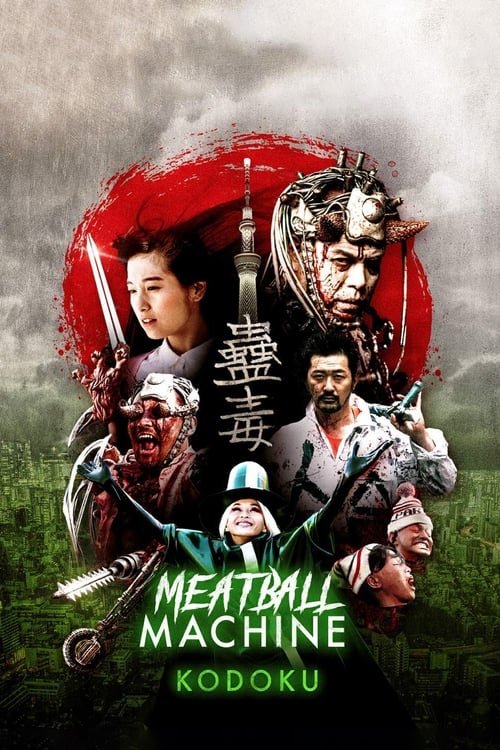
Meatball Machine Kodoku
2017
No user ratings available yet
Diversity score: 4.6 out of 10
2014
Director
Yuichi Fukuda
Runtime
97 minutes
Average Rating
No ratings yetSynopsis
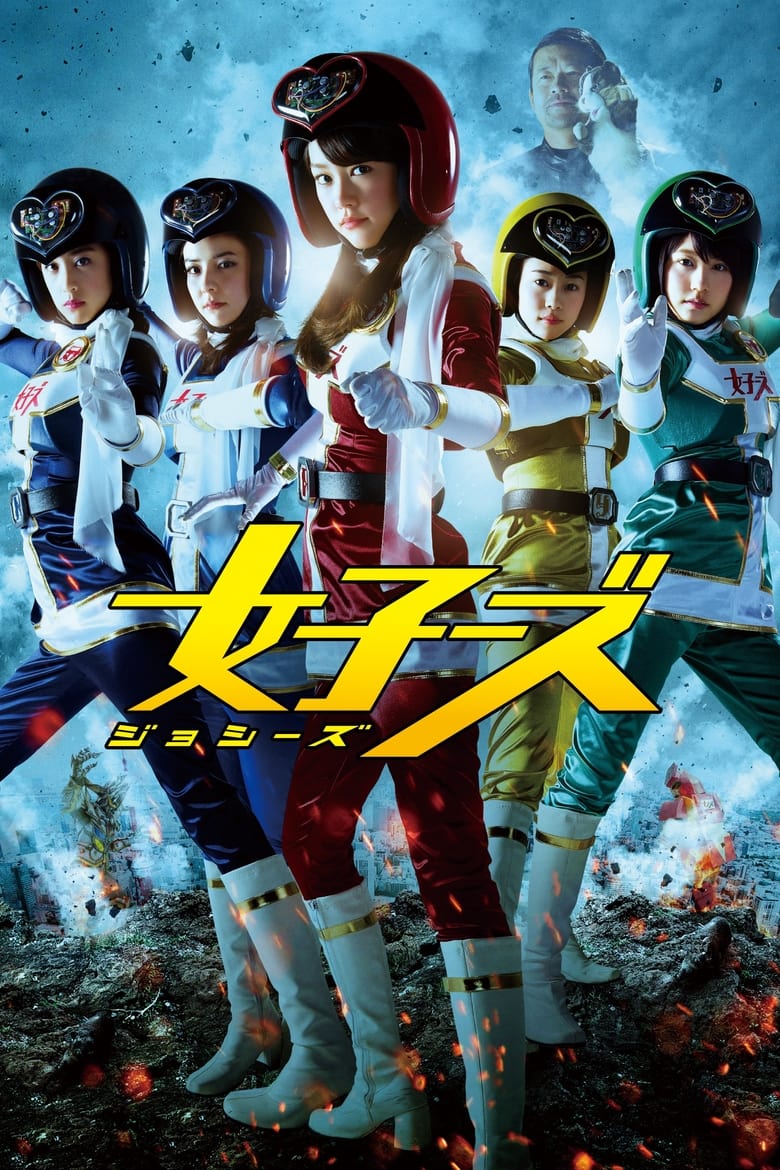
To battle a malicious monster, five women are gathered in front of Commander Charles against their will. The five women are selected because they each have a family name that represents a color. The five women are filled with doubts about what they are able to do collectively, but they go up against the monster using their lethal technique "Women Tornado". The five women can only use the "Women Tornado" when they are all gathered together.
Overall Score
Good
Category Breakdown
LGBTQ+ Representation
The film lacks explicit depictions of LGBTQ+ identities or non-heteronormative relationships. The narrative focus remains centered on a collective female ensemble without specific queer character arcs.
Gender Representation
The story subverts traditional hierarchies by centering a female ensemble in high-stakes combat roles. It replaces the male hero archetype with a model of collective female agency and cooperation.
Racial & Ethnic Diversity
As a Japanese production, the cast and setting appear primarily homogeneous. The film reflects a standard representation consistent with its regional origin without visible ethnic mixing.
Religious & Cultural Diversity
The premise uses a satirical, absurd approach to authority and systemic selection. By choosing heroes based on color-coded surnames, the film deconstructs traditional, earnest heroism through surrealism.
Disability Representation
There is no mention of characters possessing visible or invisible disabilities. No information is available to assess representation in this category.
Strengths
Areas for Improvement
AI Analysis
Jossy's functions as a disruptive comedic work that challenges genre expectations. It successfully deconstructs the masculine-led action trope by placing female agency at the heart of its high-stakes combat narrative. While the film excels at subverting gender norms through its 'Women Tornado' concept, it lacks intersectional depth. There is a notable absence of explicit LGBTQ+ identities or diverse racial representation within the primary ensemble. The film's strength lies in its postmodern, satirical approach to storytelling, though it remains culturally homogeneous and focused on a specific regional context.
No reviews yet. Be the first to share your thoughts on this movie!
Use the rating form above to leave a star rating and optional review.