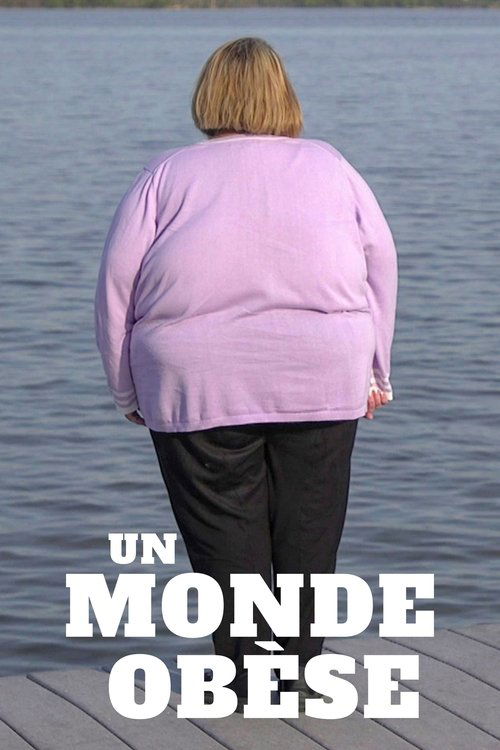
An Obese World
2020
No user ratings available yet
Representation score: 7.2 out of 10
Representation Score
Good
2020
Director
Maud Gangler, Martin Blanchard
Average Rating
No ratings yetNew Showbiz Analysis
Cheap Food primarily serves as a systemic critique of industrial and economic structures. It prioritizes the investigation of corporate power and public health outcomes over individual identity-based storytelling. The film earns its highest marks through its cultural critique of Western industrial capitalism. By deconstructing the idea that industrial progress is inherently positive, it offers a sophisticated look at how economic models drive societal harm. However, the documentary lacks explicit representation of LGBTQ+ identities or non-straight narratives. It also provides little evidence of diverse casting or character's ability to drive the story within the narrative.
Category Breakdown
The documentary focuses on industrial food production and public health. There is no explicit mention of LGBTQ+ characters or narratives addressing non-straight relationships.
The narrative centers on the agri-food industry and its impact on European health. It lacks specific evidence regarding gender power dynamics or the subversion of traditional hierarchies.
The film addresses obesity and diabetes crises in Europe. This focus implies an engagement with socio-economic disparities, though specific evidence of diverse casting is unconfirmed.
The film challenges Western industrial capitalism by framing low-cost food abundance as a catalyst for health crises. It critiques traditional capitalist food production models and corporate institutions.
The documentary explores the medical consequences of food production, such as diabetes and obesity. It engages with chronic illness, though individual control over health remains unclear.
Present on Screen
Limited or Absent
Official Synopsis
Industrial food production has provided the public with an abundance of food at very low prices. But with obesity and diabetes at record levels in Europe, there is clearly a problem with the food we eat. This documentary puts the spotlight on the agri-food industry and reveals how low-cost ultra-processed foods are really made.
2020
2014
2021
2019

2023
2014
2017
2011
No reviews yet. Be the first to share your thoughts on this movie!
Use the rating form above to leave a star rating and optional review.