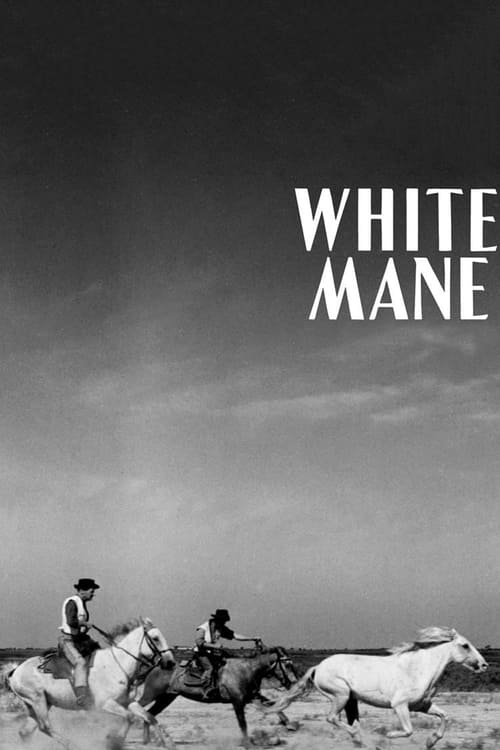
White Mane
1953
No user ratings available yet
Representation score: 0.9 out of 10

Representation Score
Minimal
1971
GDirector
Aleksandr Zguridi
Runtime
83 minutes
Average Rating
No ratings yetNew Showbiz Analysis
The film opens on the snow-dusted Caucasus, establishing the mountain not as a backdrop but as an indifferent, sacred force that demands respect. This setting frames the central argument: the local Georgian guide, Manu, possesses a competence that the state representative, Nuru, lacks. The camera lingers on Manu’s weathered face and physical mastery, treating his indigenous knowledge as the true heroism of the piece. Nuru, the clean-cut outsider, is not the savior but the learner; his authority is impotent without the local expert’s guidance. The sold meaning is one of ideological harmony, but the pictures suggest a more complex hierarchy. While the voiceover insists on the equality of the union, the visual logic rewards the local man’s autonomy. Manu never pays the price for his tradition; instead, his knowledge is validated and integrated into the state’s narrative of strength. The film’s argument pulls apart when it tries to frame this dynamic as mutual respect, yet the staging clearly positions the local expert as the indispensable core. The ending settles this tension by rewarding survival and the bond formed between the two men. The final wide shot of the landscape, accompanied by a sweeping score, reinforces nature’s enduring power over human conflict. The state’s arrogance is punished by the terrain, and the local man’s competence is affirmed. The film does not mock the uniform but shows it as vulnerable, ultimately selling a vision where the West (or the State) survives only by submitting to the local wisdom it once sought to dominate.
Category Breakdown
No queer dynamics appear. The male bond is strictly fraternal, framed as survival brotherhood without romantic tension.
The frame is entirely male-centric. Competence and moral weight reside exclusively in the two men, leaving female agency absent.
Local Georgian expertise is positioned as superior to state authority. This inverts colonial dynamics, treating indigenous knowledge as the essential key to survival.
The mountain validates local tradition over state bureaucracy. However, the voiceover merges this indigenous respect with ideological conformity, framing harmony as Soviet unity.
No physical or cognitive impairments are depicted. Human bodies are presented as healthy tools for endurance, with no focus on medical conditions.
Present on Screen
Limited or Absent
Official Synopsis
The heartrending story of the friendship of a young boy with Black Mountain, an Indian elephant.
1953
1946
2001
1945
1971
1988
1937

2005
No reviews yet. Be the first to share your thoughts on this movie!
Use the rating form above to leave a star rating and optional review.