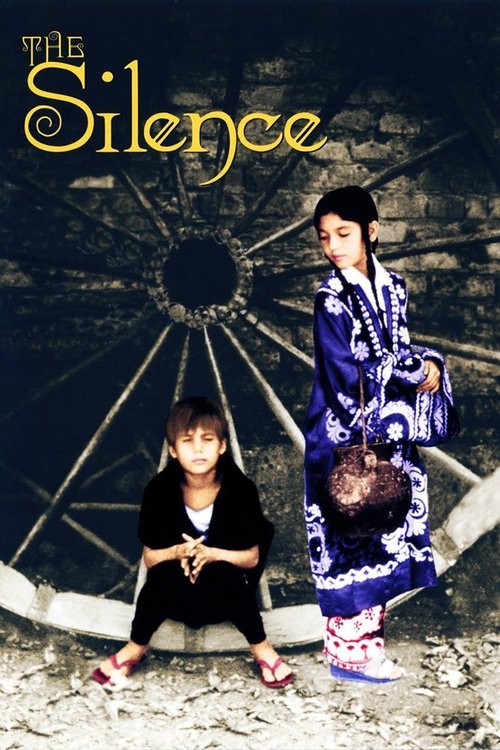
Salaam Bombay!
1988
No user ratings available yet
Diversity score: 5.8 out of 10

1987
Director
Mohsen Makhmalbaf
Runtime
90 minutes
Average Rating
No ratings yetSynopsis
The movie consists of three episodes that explore the lives of poor and desperate in Iran. In episode one, a very poor couple with many crippled children abandon their newly born baby in hopes that it will have a better future. In the second episode, a mentally impaired and isolated young man tries to take care of his senile mother who is almost dead. In the third episode, a cowardly and desperate peddler tries to escape from his boss.
Overall Score
Fair
Category Breakdown
LGBTQ+ Representation
The film contains no LGBTQ+ characters or non-cisnormative identities. The narrative remains strictly within the traditional social frameworks of its rural Iranian setting.
Gender Representation
Women are largely relegated to domestic spheres within a patriarchal lens. However, the depiction of a senile mother offers a nuanced look at the heavy burdens of caregiving.
Racial & Ethnic Diversity
The film presents a culturally homogeneous Iranian cast. This provides an authentic representation of the regional working class and centers a non-Western perspective.
Religious & Cultural Diversity
The narrative offers a sophisticated critique of economic structures and the pursuit of honesty. It challenges traditional ideals of the nuclear family through the lens of systemic struggle.
Disability Representation
Disability is treated with gravity, featuring physically impaired children and a mentally impaired young man. These characters are central to the film's exploration of desperation.
Strengths
Areas for Improvement
AI Analysis
Mohsen Makhmalbaf’s tripartite structure offers a grim, realist look at survival in Iran. The film succeeds by centering non-Western socioeconomic realities and providing a vital counter-narrative to mainstream cinematic norms through its authentic regional casting. While the film lacks LGBTQ+ representation and adheres to traditional gender hierarchies, it excels in its moral complexity. It uses disability and poverty not as mere plot devices, but as essential elements to critique systemic oppression and the crushing weight of socioeconomic structures. Ultimately, the film's strength lies in its anti-capitalist critique. It reframes survival tactics as necessities rather than moral failings, providing a profound look at the human condition under extreme pressure.
No reviews yet. Be the first to share your thoughts on this movie!
Use the rating form above to leave a star rating and optional review.