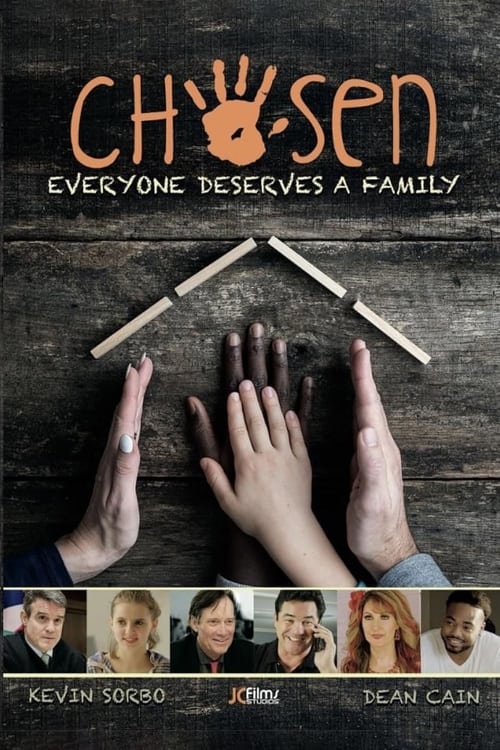
Chosen
2021
No user ratings available yet
Representation score: 3.6 out of 10

Representation Score
Fair
2024
PG-13Director
Joshua Weigel
Runtime
130 minutes
Average Rating
No ratings yetNew Showbiz Analysis
The film succeeds in providing ability to act to its Black protagonists, transforming a rural church into a powerhouse of systemic reform. This challenges common clichés by centering a underrepresented community as the primary driver of social change. However, the narrative is highly conservative, reinforcing traditional hierarchies rather than questioning them. It relies heavily on religious institutionalism and traditional family structures to resolve its central conflicts. Ultimately, while the film offers strong racial and female leadership, its commitment to conventional morality and traditional social pillars limits its broader diversity profile.
Category Breakdown
The film does not include any visible LGBTQ+ characters or narratives. The story stays within traditional family structures and community dynamics that assume everyone is straight.
Donna Martin provides meaningful representation of women's ability to drive the story as a community leader. Her intellect and resilience are highlighted, though her role operates within traditional maternal caretaking frameworks.
The narrative centers a rural Black church in East Texas as a catalyst for social change. This positions the Black community as active agents of reform rather than passive recipients of aid.
The story is deeply aligned with traditional Western and Christian values. It portrays religious institutions and the sanctity of the family as restorative forces for social stability.
The focus on 'difficult-to-place' children suggests engagement with developmental or systemic challenges. However, these children may be framed by their needs rather than as independent identities.
Present on Screen
Limited or Absent
Official Synopsis
Led by Donna and Reverend W.C. Martin, 22 families from a rural Black church in the small East Texas town of Possum Trot adopt 77 of the most difficult-to-place kids in the foster system and kickstart a movement in the process.
2021

2012
2012
2020

1981
2024
2007
2012
No reviews yet. Be the first to share your thoughts on this movie!
Use the rating form above to leave a star rating and optional review.