
Feast II: Sloppy Seconds
2008
No user ratings available yet
Representation score: 3.4 out of 10

Representation Score
Minimal
2009
RDirector
John Gulager
Runtime
79 minutes
Average Rating
No ratings yetNew Showbiz Analysis
Feast III: The Happy Finish operates as a traditional creature-driven horror piece. It prioritizes visceral impact and kinetic action over complex character development or sociopolitical commentary. The narrative structure relies heavily on established genre clichés rather than challenging them. The film lacks meaningful representation across most identity-based categories. It presents a homogeneous cast and avoids engaging with cultural, religious, or political themes, resulting in a narrative that feels culturally neutral. Ultimately, the film functions as straightforward exploitation entertainment. It reinforces conventional archetypes instead of offering multi-layered depth or progressive storytelling.
Category Breakdown
The film does not include any LGBTQ+ characters and does not explore identities beyond the assumption that everyone is straight. The interactions focus solely on immediate physical threats rather than identity-based dynamics.
Characters are defined by their roles in survival rather than by gender-specific traits. The narrative follows traditional horror conventions and does not challenge masculine-centric leadership clichés.
The ensemble cast lacks significant racial or ethnic diversity. It relies on undifferentiated horror archetypes typical of low-budget exploitation films.
This creature feature avoids engagement with broader cultural, religious, or political institutions. The focus remains strictly on the biological imperative of survival.
There is no discernible focus on neurodivergence or physical disabilities. Characters function merely as units within a survival plot.
Present on Screen
Limited or Absent
Official Synopsis
The survivors are saved by the mysterious prophet who seemingly has the ability to control the beasts. Along the way they get help from a karate expert.
2008
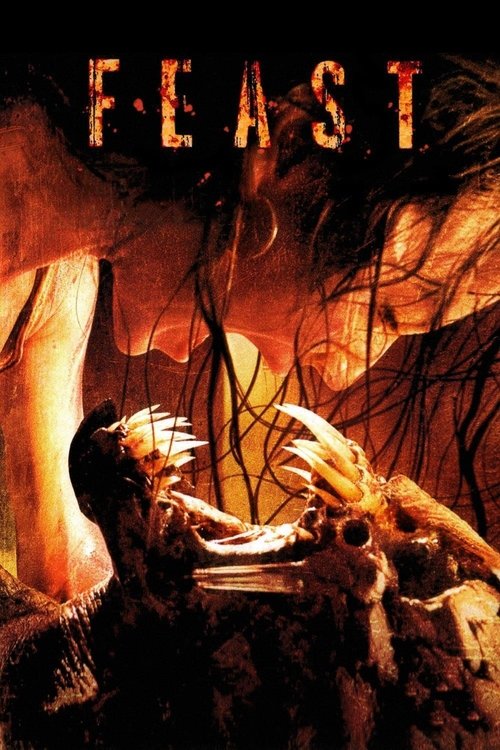
2005

2013

1996
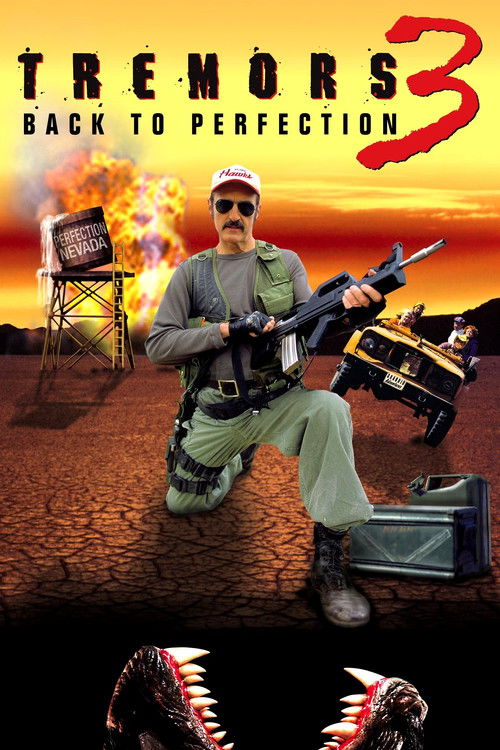
2001

2008

2012

1995
No reviews yet. Be the first to share your thoughts on this movie!
Use the rating form above to leave a star rating and optional review.