Dimos from Trikala
1962
No user ratings available yet
Representation score: 1.4 out of 10
Representation Score
Limited
1958
Director
Andreas Labrinos
Runtime
89 minutes
Average Rating
No ratings yetNew Showbiz Analysis
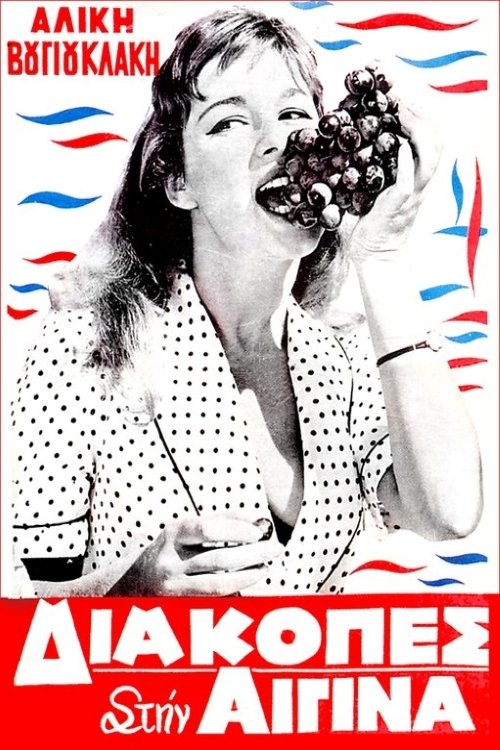
Holidays in Aegina is a mid-century Mediterranean comedy that adheres strictly to the genre conventions of its time. The narrative relies on classic clichés of class deception and romantic entanglements, prioritizing social standing and individual charm over systemic critique. The film presents a homogeneous social environment centered on Greek identity and class hierarchies. It lacks characters who reflect more than one aspect of diversity, focusing instead on the comedic friction between aristocratic backgrounds and perceived social lowliness. Ultimately, the work functions as a traditional romantic comedy. It does not attempt to disrupt established social hierarchies or provide nuanced depictions of underrepresented identities, reflecting the standard cinematic norms of 1958.
Category Breakdown
The film follows traditional romantic clichés and does not depict same-sex intimacy or non-traditional gender identities.
Jean's social manipulation and deceptive personas emphasize male control. Aliki is a central romantic figure, but the narrative does not challenge patriarchal structures.
The story is set in Aegina, Greece, with a homogeneous cast. It focuses on internal class differences without addressing racial or ethnic diversity.
The narrative operates within established social frameworks of the era. It uses class-based humor for comedy without critiquing institutions or promoting secularism.
No characters have visible or invisible disabilities. The 'drunkard' character serves as a social cliché rather than a nuanced exploration of dependency.
Present on Screen
Limited or Absent
Official Synopsis
Journalist Jonis comes to Aegina with his daughter Alice for work, but also for vacation. At the port, Aliki meets Jean, a descendant of a prominent aristocratic family on the island, who does not reveal his true identity to her, but introduces himself as Giannaros, the island's drunkard. At some other point, they will meet again and he will introduce himself as Jean. Alice will think she has discovered Giannaros' twin brother...
1962

2016
1966

1959
1962

1959

1962

1963
No reviews yet. Be the first to share your thoughts on this movie!
Use the rating form above to leave a star rating and optional review.