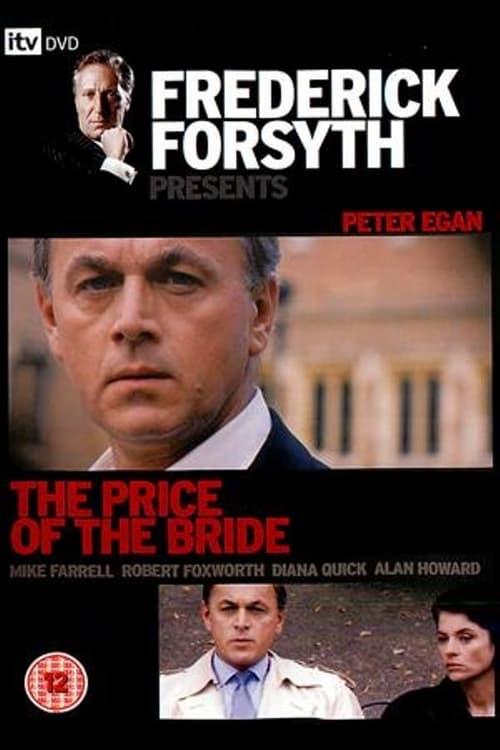
The Price of the Bride
1990
No user ratings available yet
Representation score: 1.9 out of 10
Representation Score
Minimal
1989
PGDirector
Lawrence Gordon Clark
Runtime
100 minutes
Average Rating
No ratings yetNew Showbiz Analysis
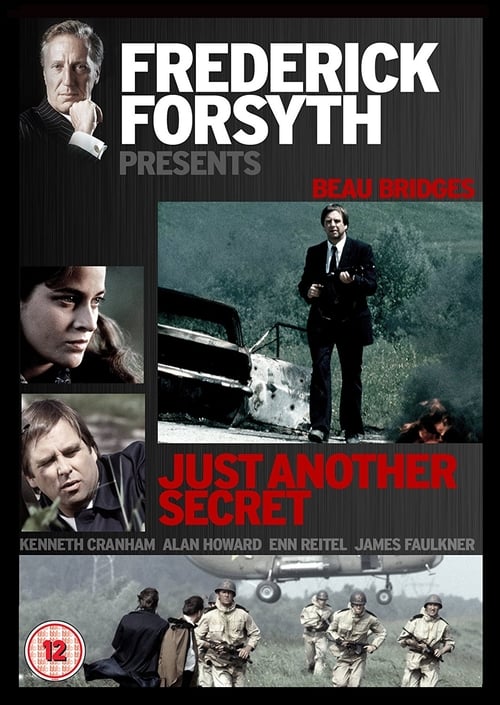
Just Another Secret is a conventional Cold War-era political thriller that prioritizes geopolitical tension over character-driven identity exploration. The narrative structure focuses on the mechanics of international espionage and the transition of Soviet policy during the glasnost period. The film reflects the sociopolitical landscape of the late 1980s, relying heavily on established genre clichés. It centers on state-level maneuvering between Western and Soviet interests, which limits the scope for characters who reflect more than one aspect of diversity. Ultimately, the work functions as a plot-driven action piece. It lacks the structural elements required to challenge traditional social hierarchies or provide meaningful representation for underrepresented groups.
Category Breakdown
The film does not include any characters with LGBTQ+ identities or non-cisgender traits. It adheres to the traditional social norms typical of 1989 espionage thrillers.
The story centers on an American intelligence agent, a role traditionally played by male characters in this era. There is no indication of female character depth or challenges to traditional gender hierarchies.
The plot focuses on conflicts between American and Soviet diplomats, likely emphasizing Eurocentric power structures. There is no evidence of a non-white majority cast or diverse ethnic representation.
Set during the era of glasnost, the film engages with geopolitical transitions through traditional Western intelligence interests. It prioritizes statecraft and international stability over diverse cultural perspectives.
The synopsis provides no mention of characters with visible or invisible disabilities. There is no evidence of neurodivergent representation within the story.
Present on Screen
Limited or Absent
Official Synopsis
An American intelligence agent uncovers a plot to assassinate Soviet Premier Gorbachev just at the time when glasnost is coming into place.
1990
1987
1986

1977
1997
2009
1987
1983
No reviews yet. Be the first to share your thoughts on this movie!
Use the rating form above to leave a star rating and optional review.