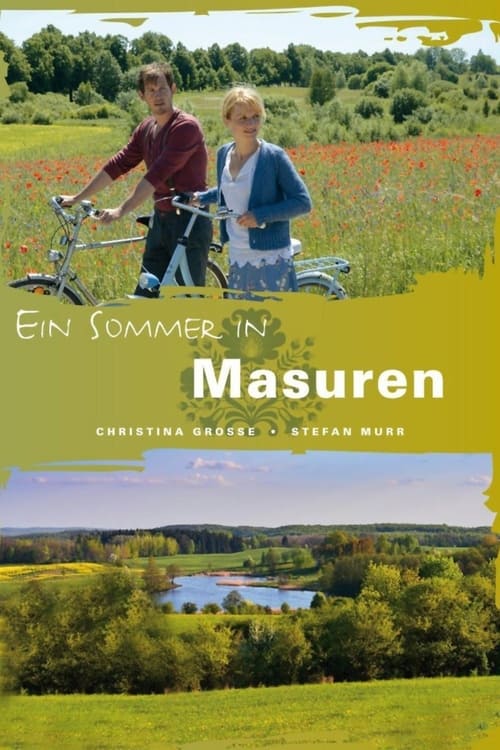
Ein Sommer in Masuren
2015
No user ratings available yet
Representation score: 5.1 out of 10
Representation Score
Limited
2018
TV-PGDirector
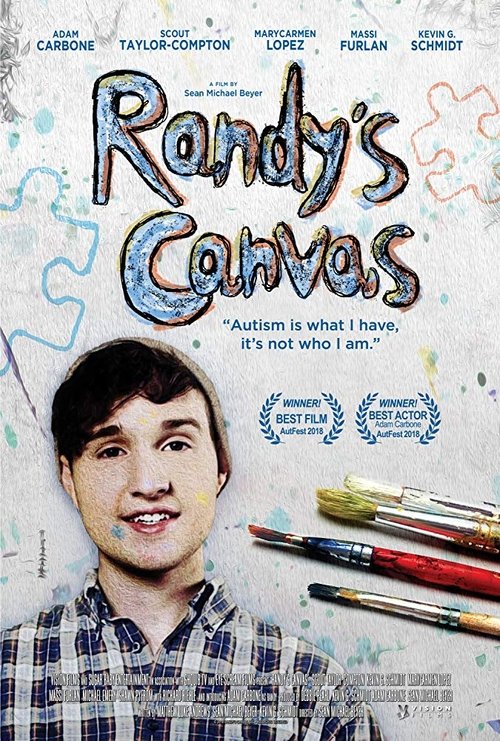
Sean Michael Beyer
Runtime
102 minutes
Average Rating
No ratings yetNew Showbiz Analysis
The film stands out as a focused character study, providing a nuanced and empathetic portrayal of neurodivergent life. By centering an autistic protagonist, it offers realistic emotional depth and avoids mocking or stereotypical portrayals. However, its impact is constrained by its narrow demographic focus. It remains anchored in traditional indie-drama structures and centers a homogeneous, working-class Baltimore setting. Overall, while it excels in disability representation, it falls short in engaging with broader multi-layered identities, leading to a lower score for social and cultural diversity.
Category Breakdown
The film does not include any LGBTQ+ characters or explore non-cisgender identities. The romantic storyline focuses solely on heterosexual relationships without addressing queer perspectives.
Gender roles adhere to typical dramatic conventions. Although the film delves into the male protagonist’s emotional journey, it does not challenge traditional gender hierarchies.
The cast primarily features white actors representing a working-class demographic in Baltimore. The film does not employ diverse casting to challenge historical norms or showcase a multi-ethnic population.
The story avoids religious or political debates, focusing instead on personal growth. It leans towards traditional realism without questioning Western social constructs.
The film offers meaningful representation by centering a protagonist with autism. It provides the character with ability to act and avoids using neurodivergence merely as a plot device.
Present on Screen
Limited or Absent
Official Synopsis
A talented young artist with autism falls in love for the first time, but when his feelings aren’t reciprocated, he must find solace in his work.
2015

2007
2022
2019
2018
2005
2013

2010
No reviews yet. Be the first to share your thoughts on this movie!
Use the rating form above to leave a star rating and optional review.