
Out in the Silence
2009
No user ratings available yet
Diversity score: 7.1 out of 10
2016
Director
Etienne Chaillou, Mathias Théry
Runtime
77 minutes
Average Rating
No ratings yetSynopsis
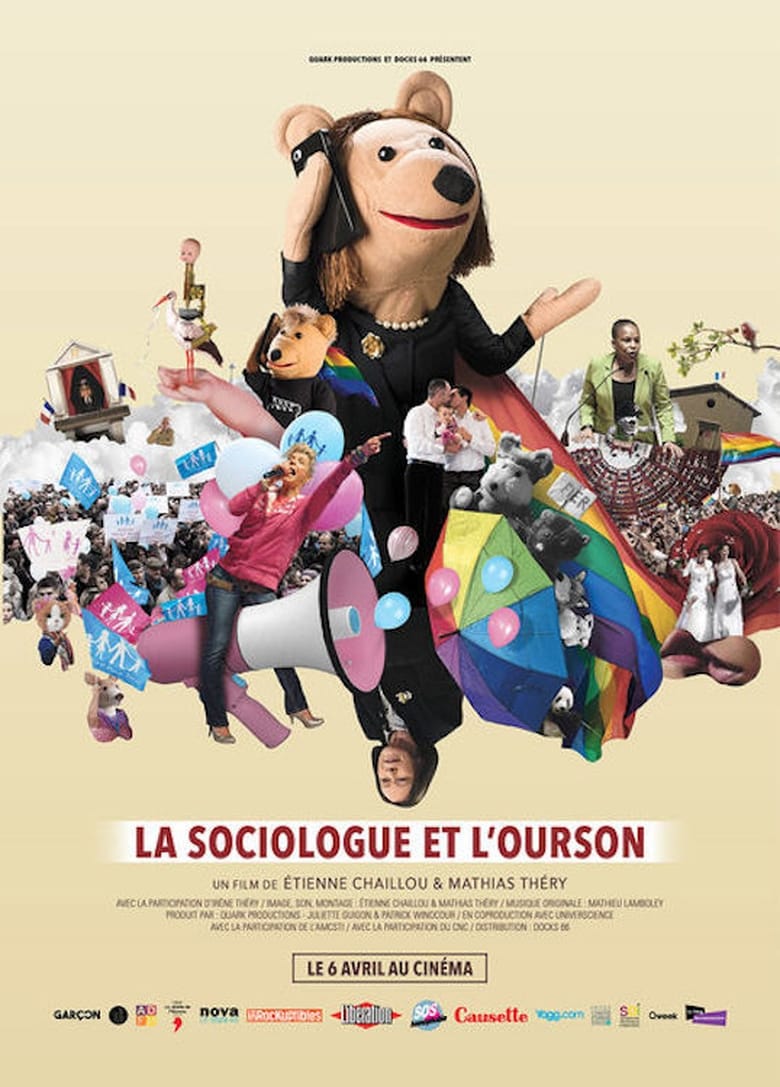
Between September 2012 and May 2013, France is debating the upcoming marriage equality laws. During those nine months, sociologist Irène Théry talks about what is at stake with her son Mathias Théry, who will make a movie with Étienne Chaillou out of those hours of conversations. It is a documentary about the social debate in France, but also about family and intimacy.
Overall Score
Good
Category Breakdown
LGBTQ+ Representation
The film centers on the French marriage equality debate, treating queer identity as a lived reality rather than an abstract concept. It critiques heteronormative legal structures through a central, meaningful narrative lens.
Gender Representation
Irène Théry provides the primary analytical voice, asserting intellectual agency as a female sociologist. The film emphasizes a collaborative intellectual exchange between mother and son rather than traditional patriarchal dynamics.
Racial & Ethnic Diversity
The narrative focuses on a specific French intellectual and familial milieu. There is no explicit evidence of a multi-ethnic or non-Anglo-Saxon majority cast within the presented context.
Religious & Cultural Diversity
The work deconstructs traditional institutions by analyzing marriage through a sociological lens. It prioritizes evolving social contracts and systemic rights over religious dogma or the preservation of the nuclear family.
Disability Representation
There is no specific evidence regarding the portrayal of visible or invisible disabilities within the film's narrative.
Strengths
Areas for Improvement
AI Analysis
The film excels by bridging the gap between academic sociological critique and personal intimacy. It elevates the discussion of civil rights by framing marriage equality as a fundamental shift in modern social architecture. While the intellectual focus is strong, the film remains centered on a specific French cultural and political milieu. This limits the breadth of racial and ethnic representation shown. Ultimately, the documentary succeeds as a reflexive study of how macro-level political shifts permeate the micro-level domestic sphere, making systemic change feel deeply personal.
2009
2014
2010
2015
2010

2017
1996
2018

2023

2014
2015

1965
No reviews yet. Be the first to share your thoughts on this movie!
Use the rating form above to leave a star rating and optional review.